
Living in Mauritius: Pros and Cons
Moving to Mauritius is a dream for many, but there is a big difference between the postcard image and real life on the island. Here is an honest, balanced overview to help you decide with confidence before taking the leap.
Living in Mauritius: what to really expect
Many people arrive in Mauritius with brochure images in mind: turquoise lagoons, coconut palms, and sunset cocktails. Those images are real, but they only tell part of the story. Living in Mauritius is not the same as taking an extended holiday: it means adapting to a daily rhythm with its own pace, administrative delays, and cultural habits.
The first thing to understand is that Mauritius is a multicultural and cosmopolitan island. Communities of Indian, Creole, Chinese, and European heritage have lived side by side here for generations. French is widely spoken, Mauritian Creole is the language of everyday life, and English remains the official language of administration. For English-speaking visitors, official procedures are therefore manageable, while a little French or Creole can make everyday integration much easier.
The climate is tropical, with a hot, humid season during the southern summer and a cooler, drier season during the southern winter. You also need to take cyclones into account, as they can pass through the region in summer. It is not something to worry about every day, but it is a reality to be aware of.
Finally, the pace of life is slower than in Europe. Procedures take time, appointments can shift, and you need to learn to let go. Those who come looking for European-style efficiency are often disappointed; those who come looking for a different rhythm tend to thrive. This is an island where life is lived largely outdoors, close to the sea and nature.
The real advantages of life in Mauritius
Let’s start with what makes the island so appealing, and with good reason. Mauritius offers advantages that are tangible and lasting, not just beautiful to look at.
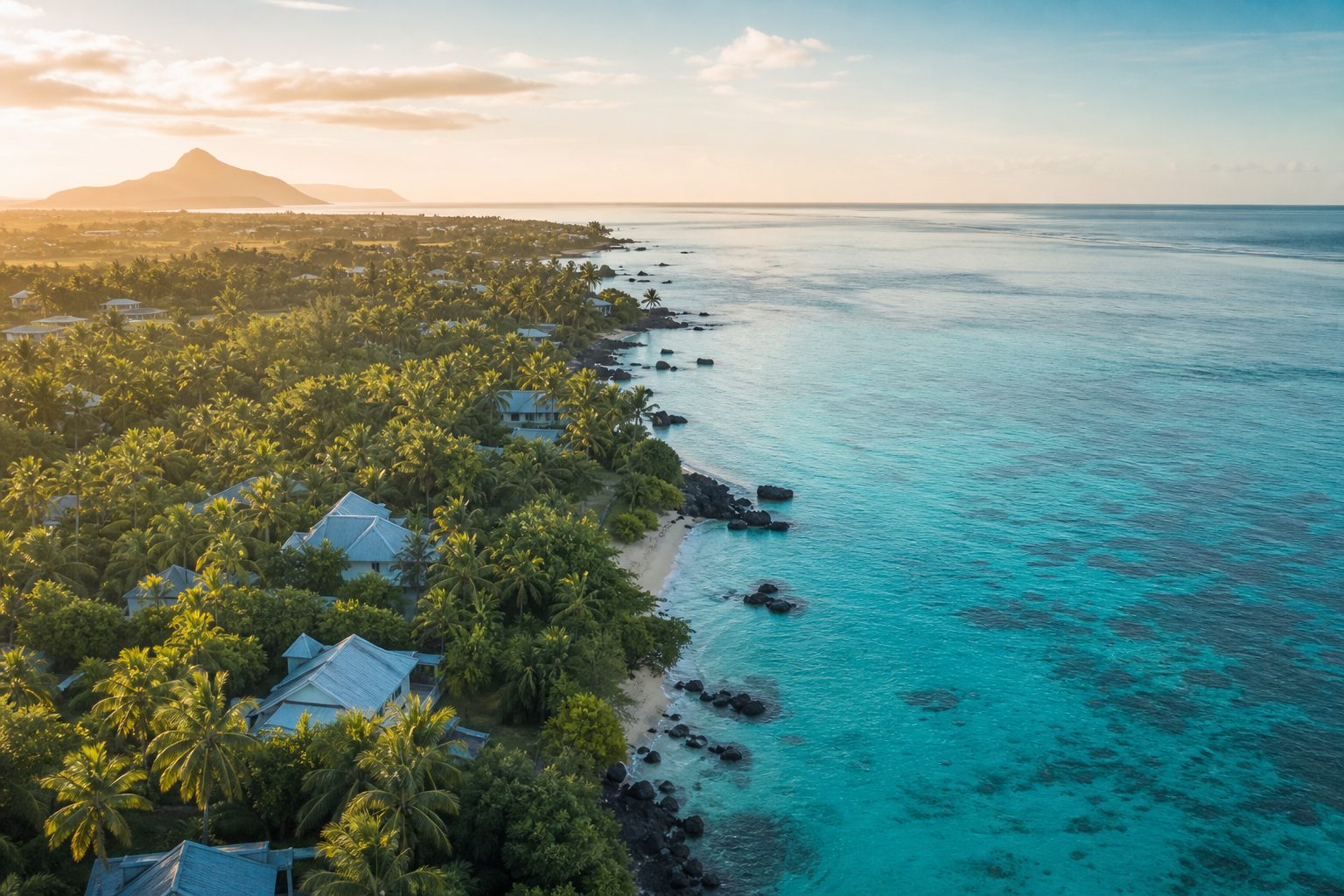
- An exceptional living environment. Lagoons protected by the coral reef, beaches accessible all year round, and lush green mountains inland: nature is everywhere, and swimming remains enjoyable in every season.
- A practical language environment. English is the official language, while French and Creole are widely used in daily life. With English, and ideally a few words of French or Creole, it is easy to shop, access healthcare, manage schooling, and handle everyday life without feeling lost.
- A reassuring overall level of safety. Compared with many other destinations, the island remains peaceful. Usual precautions still apply, but the day-to-day feeling of insecurity is low.
- Attractive taxation. Mauritius is known for its favourable tax environment, which attracts entrepreneurs, retirees, and investors. This is something to review carefully with an adviser, as every personal situation is different.
- A warm welcome. Mauritians have a well-earned reputation for hospitality. The friendly atmosphere, multicultural cuisine, and festivals celebrated by the different communities give the year a pleasant rhythm.
- A strategic location. The island is a convenient starting point for exploring the Indian Ocean, with Rodrigues, Réunion Island, and Madagascar relatively nearby.
For many expats, the decisive advantage is quality of life in the broadest sense: spending long evenings outdoors, dining by the lagoon, enjoying regular water-based activities, and living in an environment where everyday stress feels much lower than in major Western cities.
The disadvantages and points to watch
An honest view would not be complete without the downsides. They are not necessarily deal-breakers, but it is better to know them before committing.
- Island life and distance. Mauritius is far from almost everywhere. Flights to Europe are long and can weigh on the budget, especially in high season. Seeing family requires planning ahead, and some people begin to feel isolated after a few months.
- Slow administration. Opening an account, obtaining a permit, sorting out paperwork: everything tends to take longer than expected. Patience is not optional; it is essential.
- The cost of imported goods. Local fruit and vegetables, fish, and seasonal products are affordable, but anything imported, especially European products and electronics, can be expensive.
- The rainy season and cyclones. The southern summer brings heat, humidity, and sometimes heavy rainfall. Cyclones remain an event to factor into your organisation.
- Uneven service quality. The private healthcare system is generally decent, but complex medical cases can sometimes require repatriation or treatment abroad. Internet and electricity cuts may occur depending on the area.
- Driving on the left. A British legacy, it takes some getting used to, especially as traffic can be heavy and local driving quite assertive.
One final, more subtle point is the gap between fantasy and reality. Some people project onto Mauritius the hope of solving personal or professional difficulties. But the island does not fix what you bring with you. Those who settle successfully generally have a clear project, solid resources, and a good dose of flexibility.
Book your stay at the best rate
Who is Mauritius really suited to?
Mauritius does not suit everyone in the same way. In practice, these are the profiles most likely to thrive here.
- Retirees and early retirees. The climate, relaxed lifestyle, relative safety, and tax environment naturally appeal to those looking for an enjoyable setting for this new stage of life. The English-speaking administrative framework is helpful, and learning some French or Creole makes daily life even smoother.
- Entrepreneurs and remote workers. With good organisation and an online activity, the island offers an inspiring work environment. However, you need to plan around the time difference with Europe and occasional connection issues.
- Families looking for a different way of life. Outdoor living, international schools, water sports: Mauritius appeals to parents who want to offer their children a different environment, provided they have the right budget for schooling.
- Sea and nature lovers. Diving, kitesurfing, hiking, sailing: those whose lives revolve around the outdoors will find a year-round playground here.
On the other hand, the island may be less suitable for those who need a dense urban cultural scene, fast administration, or immediate proximity to family. People who struggle with humid heat or long-distance living should also think carefully before moving.
The best indicator remains your deeper motivation. Running away from something rarely leads to good results; moving towards a chosen project and lifestyle is a much stronger foundation.
Try before you take the leap: a stay of a few months
Here is the most useful advice in this guide: do not sell everything before you have lived here for several months. A holiday stay tells you very little about real life. Spending a period of immersion on the island, ideally covering both the pleasant season and part of the rainy season, changes everything.
This test phase allows you to check practical details that brochures never mention: how you feel day to day, grocery shopping, social life over time, internet quality in the area you are considering, traffic at peak hours, and above all your ability to cope with distance.
During this period, accommodation makes all the difference. A comfortable, well-located place gives you a calm base from which to explore and make your decision without rushing. The north of the island, around Grand Baie and Pointe aux Canonniers, is particularly appreciated for this: it is a lively, well-connected area with shops, restaurants, and beaches nearby, making it an excellent base for an immersion stay.
For an initial observation period, a boutique hotel in Pointe aux Canonniers allows you to experience daily life in the north without commitment, while enjoying a comfortable and carefully maintained setting. For a stay of several months, apartments such as those at Domaine de Grand Baie offer more independence: a kitchen, living space, and a sense of being “at home” that helps you picture a real move.
Use these months to behave more like a resident than a tourist: shop at the market, start the procedures that matter to you, meet locals and other expats, and test the journeys you would make in everyday life. This contact with reality will tell you, better than any online opinion, whether Mauritius is right for you. Many successful moves have started in exactly this way, with a simple extended stay that removed the doubts.
Frequently asked questions
Can UK, EU and most Western visitors live in Mauritius?
Yes. UK, EU and most Western visitors can enter Mauritius without a visa for tourism, for up to six months, or 180 days, per calendar year. The authorised length of stay is set on arrival. For a long-term move, you will need the right permit for your situation, such as work, investment, or retirement. English is the official administrative language, and French and Creole are widely spoken in daily life.
Is the cost of living really lower than in Europe?
It depends on your lifestyle. Local products, fish, and seasonal fruit and vegetables are affordable. However, imported goods, especially European products and electronics, can cost as much as, or even more than, in Europe. A more local way of life remains more economical than a lifestyle modelled entirely on Europe.
What are the main disadvantages of living in Mauritius?
The most commonly mentioned are the distance from Europe, slow administration, the humid heat of the southern summer with the rainy season, the cost of imported goods, and a certain feeling of island isolation over time. None of these are necessarily deal-breakers, but they should be considered before making a decision.
Do you need to speak English to settle in Mauritius?
English is the official language of administration and official documents, so it is very useful for formal procedures. In daily life, French and Creole are also widely spoken. Having some basic French or Creole will make everyday interactions easier and help you feel more integrated.
How long should you test life there before moving?
Ideally, you should live on the island for several months, covering both the best season and part of the rainy season if possible. This allows you to assess real life, not just the holiday experience. Comfortable accommodation in the north, around Grand Baie, is a good base for this observation period.
Is Mauritius a good choice for retirement?
It is one of the profiles that often thrives here: a pleasant climate, relative safety, an accessible language environment, and a tax framework known for being favourable. It remains essential to review your personal situation with an adviser and check access to healthcare for your specific needs.