Proposing marriage calls for accuracy more than spectacle. This guide helps you prepare the right moment, the right words and the practical details, with serenity and sincerity.
How do you propose without getting lost in ideas seen everywhere, overly scripted scenarios or the pressure of having to get everything perfectly right? The real answer often comes down to a few things: knowing the person you love, choosing a setting that resembles them, preparing enough to feel calm, and letting the moment live.
A successful proposal is not necessarily spectacular. It can be intimate, simple, joyful, elegant, funny, understated or deeply moving. This guide walks you through it step by step, from the essential question – are you ready? – to what happens after the big yes, with concrete advice for building a moment that is true, personal and memorable.
Are you ready to get engaged? The signs to listen for before asking
Before thinking about the ring, the place or the words, go back to the essential: is your story ready to welcome a marriage proposal? The question is not whether everything is perfect. No couple is. It is rather whether you are moving in the same direction, with a shared desire to build what comes next.
Some signs are reassuring. You talk naturally about the future, even without a detailed plan. You know each other’s core values: family, where to live, professional plans, attitudes to money, whether or not you want children, how you get through conflict. You have already had disagreements and found your way back to each other. You are not asking simply because everything is going well, but because you also know how to reconnect when things are less simple.
There are subtler signals too. Your partner responds with tenderness when marriage comes up. He or she takes an interest in friends’ engagements, comments on a style of ring, talks about a trip for two as a memory to keep for a long time. These clues are not proof, but they can confirm an intuition.
Should you talk about it beforehand? That depends on your relationship. A proposal can remain a surprise while still being preceded by a genuine conversation about marriage. Many people love being surprised by the moment, the place and the words, but not by the very principle of such an important commitment. If you have never broached the subject, it may be wise to open the conversation naturally: how do you picture life together in a few years? What does marriage mean to you? Is it a desire, a certainty, a question still open?
If you sense a deep hesitation, it is better to wait. A marriage proposal should not be used to repair a relationship, to bridge a distance or to obtain an answer on a wave of emotion. It crowns an impulse that is already there. It should not force that impulse into being.
The ring: choosing well, even without knowing everything
The ring often carries strong symbolic weight. Yet it should not become a source of disproportionate anxiety. The goal is not to buy the most impressive object, but to find a piece of jewellery that says something about your partner: their style, the way they wear things, their taste for discretion or sparkle.
To guess the size, several methods remain elegant. You can discreetly borrow a ring worn on the ring finger, if one exists, and have it measured. You can ask a close friend or relative for help, provided they can keep a secret. You can also choose an adjustable ring or plan a resizing after the proposal. This point matters: a ring that is not a perfect fit does not spoil the moment. What counts is the intention.
As for style, observe the jewellery already worn. Does your partner prefer yellow gold, white gold, rose gold, silver, fine lines, coloured stones, vintage shapes, modern settings? Someone who wears very little jewellery may appreciate a delicate, comfortable ring. Someone else will dream of a bolder piece. The clues are often visible in everyday life.
The budget deserves a simple, healthy approach. There is no universal rule. Choose an amount that respects your situation, without debt or outside pressure. The ring should accompany a commitment, not weaken it. A successful proposal even on a small budget can be profoundly memorable if it is planned with care: a place chosen for its meaning, a handwritten letter, a family ring, an artisan-made piece, or a stone that evokes a colour, a memory, a journey.
There are many alternatives. Some people prefer to choose the ring together after the proposal. In that case, you can offer a temporary band, a symbolic piece of jewellery, an empty box accompanied by a letter, or an object that announces what comes next. It can be very beautiful: the surprise then lies in the proposal itself, and choosing the ring becomes your first project as an engaged couple.
The place and the moment: choosing a setting that respects your story
The place of a marriage proposal must first suit the person receiving it. If your partner values privacy, avoid public scenes, insistent stares, unsolicited applause. If, on the contrary, he or she loves grand declarations, a livelier setting can be considered, but always with finesse. The right place is one where your partner can answer freely, without pressure.
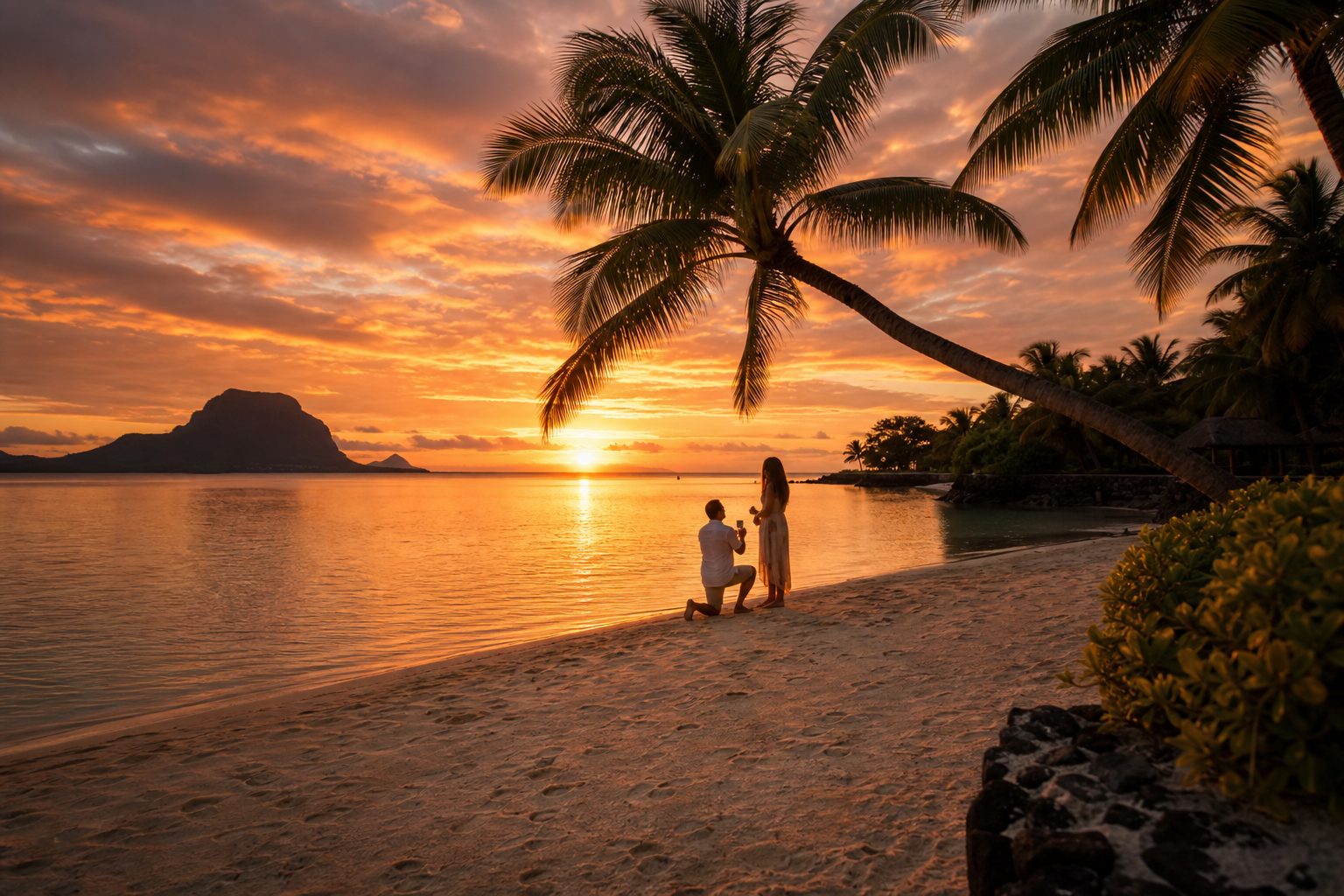
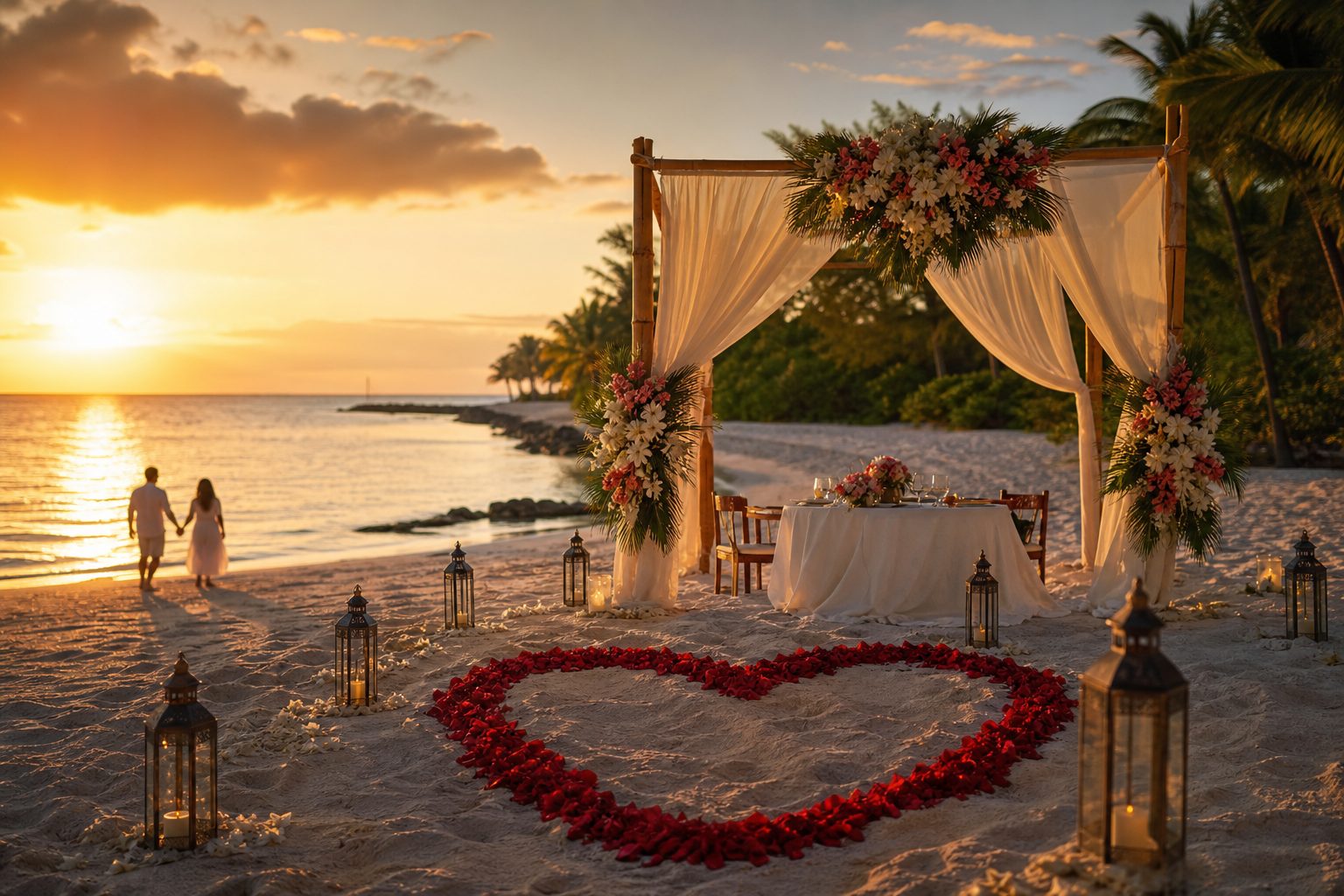
Intimacy has many advantages. It allows you to truly talk, take your time, laugh, cry, stay in each other’s arms without playing a role. A beach at daybreak, a quiet garden, a terrace at sunset, a carefully prepared room, a path you love walking together: these simple places become powerful when they are charged with meaning.
The moment matters as much as the setting. Avoid overloaded days, tight schedules, complicated journeys. A proposal is best savoured when there is no need to rush off immediately afterwards. Allow a margin, a time of silence, perhaps a dinner, a stroll or a gentle night to prolong the emotion.
Our bias is one we own: travel offers wonderful ground for a proposal. Not because you need to go far away to love better, but because travel suspends the everyday. The light changes, the rhythm changes, the scenery changes. You look at each other differently. You create a memory that already has the texture of a chapter of its own.
In Mauritius, the setting lends itself naturally: lagoons, pale sandy beaches, tropical gardens, sunsets on the west and north-west coasts, mild evenings, a blend of cultures and hospitality. Grand Baie, in the north, offers a lively atmosphere while still allowing more secluded moments. For a couple who loves the sea, dinners for two and polished moments without stiffness, a marriage proposal in Mauritius can become an obvious choice.
| Proposing while travelling | To plan with care |
|---|---|
| The right balance | Keep an element of surprise, but avoid details that can create stress: overly tight transfers, an exhausting programme, unsuitable clothing, ignored weather. |
| The Mauritius connection | If you choose Mauritius, think about the season, the hour of the light, the level of privacy you want and the distance between the proposal spot and your accommodation. |
| The memory | A discreet photo, a prepared table, a letter or a thoughtful touch in the room can prolong the emotion without turning the moment into an excessive production. |
The words: prepare without reciting
Many people dread the sentence itself. They imagine they need a perfect speech, worthy of a film, when a proposal touches above all through its sincerity. It is not about reciting everything. It is about knowing what you want to say, so you are not entirely swept away by nerves.
Start by writing down your ideas, without worrying about style. Why this person? What have they changed in your life? Which memory sums up your bond? What do you admire in them? What do you want to build together? By answering these questions, you will find personal material far stronger than any copied formula.
Then trim it down. On the day, a few sentences are enough. Talking too much can dilute the emotion. Keep a simple structure, with a beginning, a heart and the question. You can memorise the broad lines, but let your words breathe. If your voice trembles, if you forget a sentence, if you laugh nervously, it is not a failure. It is often what makes the moment real.
First structure: the founding memory. You begin with a precise moment: your first meeting, a trip, a difficulty you came through, an ordinary scene that stayed with you. You explain why this memory comes back to you today, then you link that moment to the desire to continue. This structure works well if your story holds one very strong memory.
Example of intention: Since the day we understood we could be ourselves together, I have known my life is truer with you. I want to keep learning, laughing and building with you. Will you marry me?
Second structure: what I love in you. You name a few concrete qualities. Not an endless list, but true traits: their gentleness, their courage, their humour, the way they care for others, their curiosity, their patience, their energy. Then you say what all of this makes you want to live.
Example of intention: I love the way you make days brighter, your way of looking at the world, your strength when things are hard. By your side, I feel at home. I would like that home of ours to last a lifetime. Will you marry me?
Third structure: the simple promise. You speak about the future without impossible grand declarations. You do not promise a perfect life, but a presence, a faithfulness, a commitment to crossing the seasons together. This approach is sober and very powerful.
Example of intention: I cannot promise everything will always be easy, but I can promise to choose our love, to listen to you, to grow with you and to walk by your side. Will you become my wife, or my husband?
Practical organisation: the details that make the moment flow
A spontaneous proposal can be magnificent, but a well-prepared proposal often lets you enjoy it more. Organisation should not smother the emotion; it should protect it. Think first about the sequence: how do you arrive at the spot? Where do you keep the ring? What happens right after? Do you need to book, warn someone, check an access?
Accomplices can be precious, provided they are chosen with care. A friend, a brother, a sister, a parent or a trusted person on site can help hide the ring, prepare an outfit, guide your partner, set up a few elements, or simply make sure nothing is missing. But the more accomplices there are, the more fragile the secret becomes. Keep the circle small.
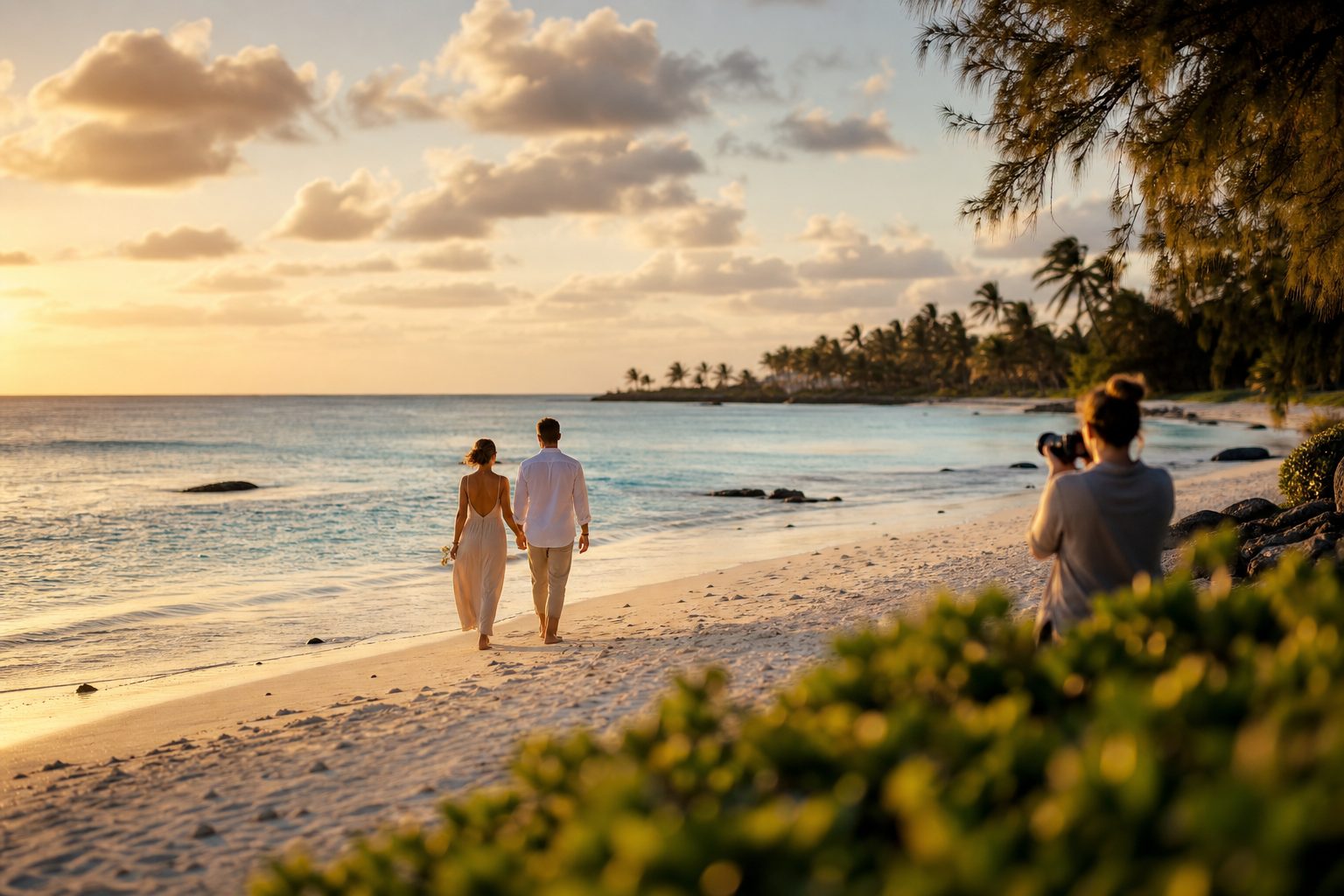
The photo deserves thought. Some people dream of keeping the exact instant. Others would hate to feel watched. If you plan a photographer, favour discretion and a match with your partner’s personality. They can keep their distance, capture the moment without intervening, then offer a few portraits after the answer. If you prefer total privacy, you can always take a photo together afterwards, with your faces still moved by the emotion.
Plan a plan B. This is especially important outdoors. In Mauritius, the climate is tropical: a shower can arrive, sometimes brief, particularly in the hot and humid season. The wind can pick up, the sea can be less calm than expected, a beach can be busier than hoped. A sheltered spot, a terrace, a decorated room, a quiet lounge or a prepared table can save the moment without making it any less beautiful.
If you are imagining a proposal around a private dinner, think about the pace of the meal. Asking at the very beginning lets you then enjoy the evening lightly. Waiting for dessert can create a long tension for you, but also a very theatrical effect if that is your style. Many choose a moment before dinner, in a calm place, then carry on at the table. It is often more natural.
Finally, think about clothing and comfort. If you are planning a beach, avoid imposing impossible shoes. If you are walking, do not hide a long hike behind a simple stroll. If you want beautiful photos, give your partner a natural reason to dress up: a dinner, an outing, an elegant but credible surprise.
Nerves on the big day: how to stay present despite the emotion
Nerves are normal. They do not mean you doubt your love. They mean the moment matters. A racing heart, damp hands, a slightly unsteady voice: all of this is part of the intensity of a proposal. There is no point trying to become perfectly calm. Aim instead to stay present.
On the day itself, simplify your programme. Do not pile up tasks. Check the ring, the time, the place, the possible accomplice, then stop controlling everything. Breathe. Eat a little. Drink water. Avoid rehearsing your speech too much in your head, as it can make you mechanical. Hold on to just your three main points: what you love, what you want to build, the question.
When the moment comes, take the time to look at your partner. Do not rush to open the box if you have not yet laid down your words. Allow a second of silence. A proposal is not a performance to be finished quickly; it is an encounter. If emotion cuts you off, simply say so. A sentence like “I am moved because this moment matters enormously” can be more touching than the best-prepared speech.
And if something does not go as planned? A shower, a delay, a moved table, a passer-by who lingers, a forgotten sentence. Let the unexpected enter the story. Sometimes it is these small imperfections that become the details recounted for years. Your partner will not judge the perfection of the plan. He or she will feel the love behind the gesture.
And after the yes: savour before announcing
After the answer, time changes. Many couples instinctively reach for their phone, call the family, send a photo, post an announcement. It is understandable, but it would be a shame to leave the intimacy of the moment too quickly. First give yourselves real time as a couple. A few minutes, an hour, a whole evening if you can.
Look at the ring together. Laugh about your nerves. Share the behind-the-scenes, the hesitations, the little secrets of the preparation. Take a photo if you feel like it. Order a glass, walk by the water, simply stay silent. You have just crossed a threshold; let that threshold exist.
For the announcements, choose an order that respects your loved ones and your peace of mind. Some call the parents first, the children if there are any, the very close friends. Others wait until the next day. There is no single rule. The most important thing is to agree between yourselves: who to tell, when, how, and what you wish to keep private.
In the following days, a few practical topics will naturally appear: would you like a long engagement? An intimate wedding or a larger one? A celebration in your own country, abroad, by the sea, in a garden, in a place that resembles you? There is no need to decide everything at once. An engagement is not just a logistical step before the wedding. It is also a time to savour the commitment, to dream, to talk, to adjust.
Common mistakes to avoid
The first mistake is organising a proposal that pleases you, but would make the other person uncomfortable. A declaration in front of a crowd can seem romantic to some and unbearable to others. A surprise with the whole family hidden behind a door can be adorable for a very sociable person, but too intense for someone reserved. Think of their temperament first.
The second mistake is trying to do too much. Too much decoration, too much music, too many messages, too many participants, too many constraints. Emotion needs space. A few well-chosen elements are worth more than an accumulation. Soft light, a calm place, sincere words and a personal touch are often enough.
The third mistake is forgetting the afterwards. If you propose at the end of a stay, just before an early departure, you risk cutting the joy short. If you propose before a family or work obligation, you leave little room for the emotion. Plan a moment to celebrate, even simply.
The fourth mistake is hiding obvious stress for too long. If your partner senses that you have been acting strangely all day, he or she may worry. It is better to plan the surprise fairly close to the event itself, or to find a credible, light excuse: a booked dinner, a special walk, an outing you had been wanting to organise.
Turning an idea into a real moment
To move from idea to action, put everything in writing. It does not look very romantic, but it is extremely useful. Note your partner’s profile: intimate or public, understated or spectacular, nature or city, morning or evening, family present or a moment for two. Then note your constraints: date, place, possible weather, ring, transport, accomplices, photo, dinner, plan B.
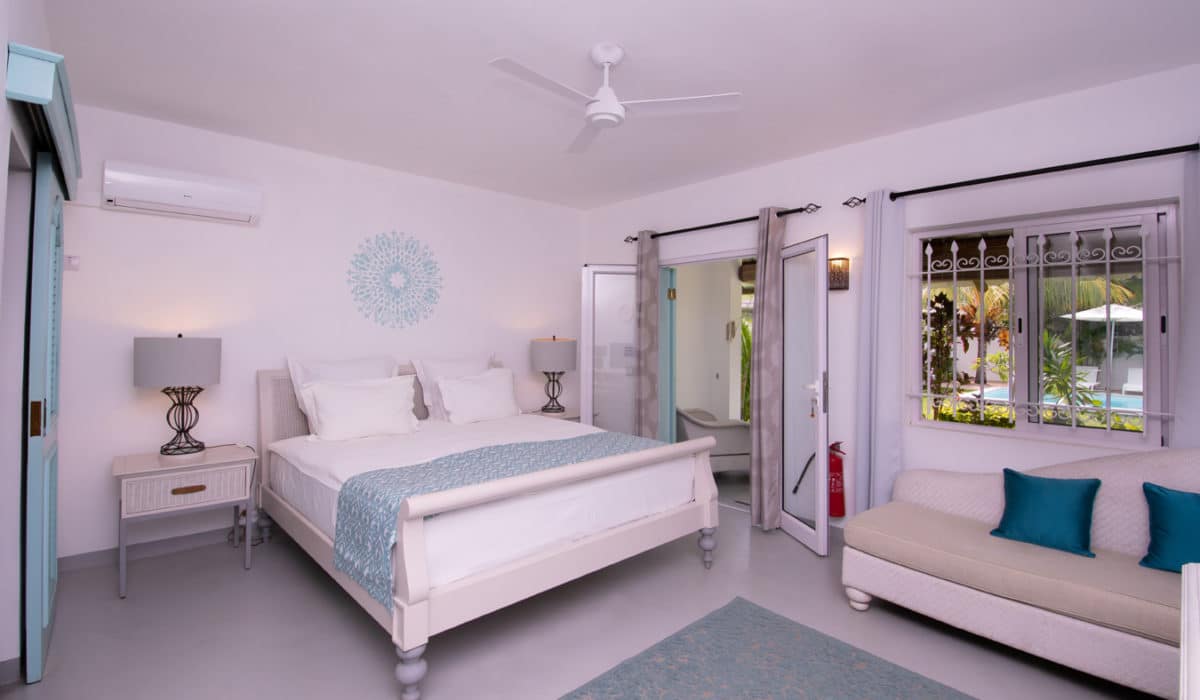
From there, choose a main scenario in a few lines. For example: a walk at sunset, a stop in a quiet spot, a few words, the proposal, discreet photos, dinner afterwards. Or: arriving in a prepared room, a letter laid out, a proposal in privacy, golden light, a meal served later. Or again: a gentle excursion, a return to the hotel, a calm garden, the question at the moment the day slows down.
Reread this scenario asking yourself: does it resemble them? Does it resemble us? Does each detail serve the emotion or only the appearance? If one part seems complicated, remove it. Simplicity often gives a proposal more strength, because it leaves all the room to the bond.
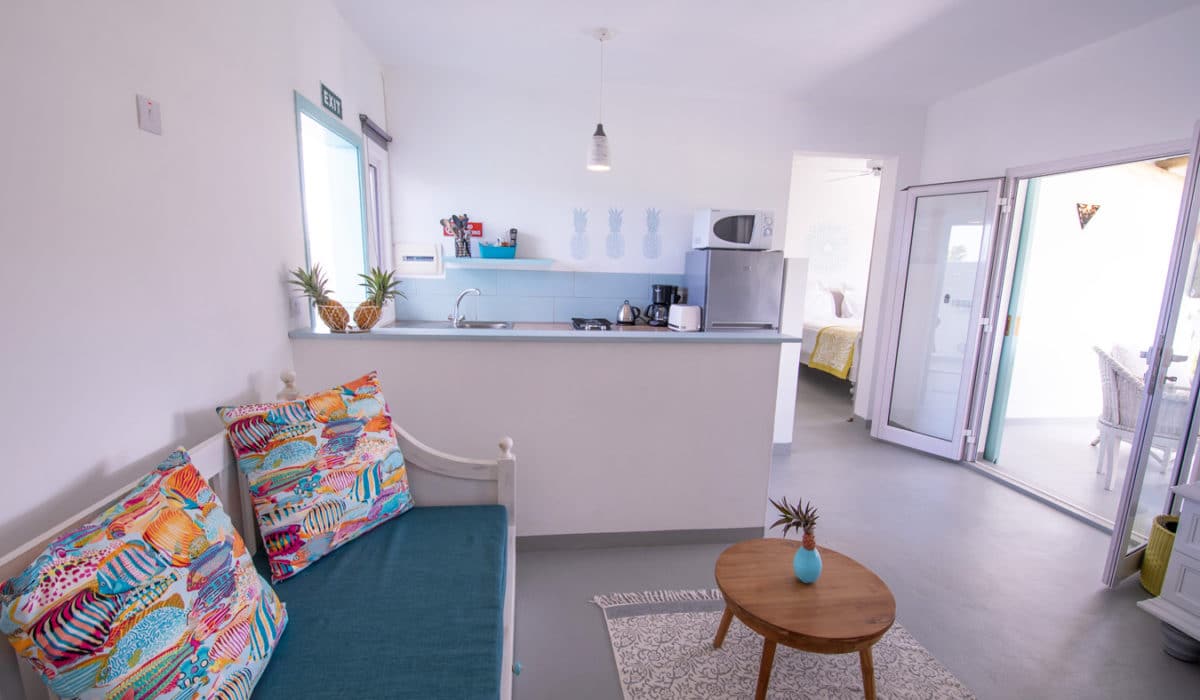
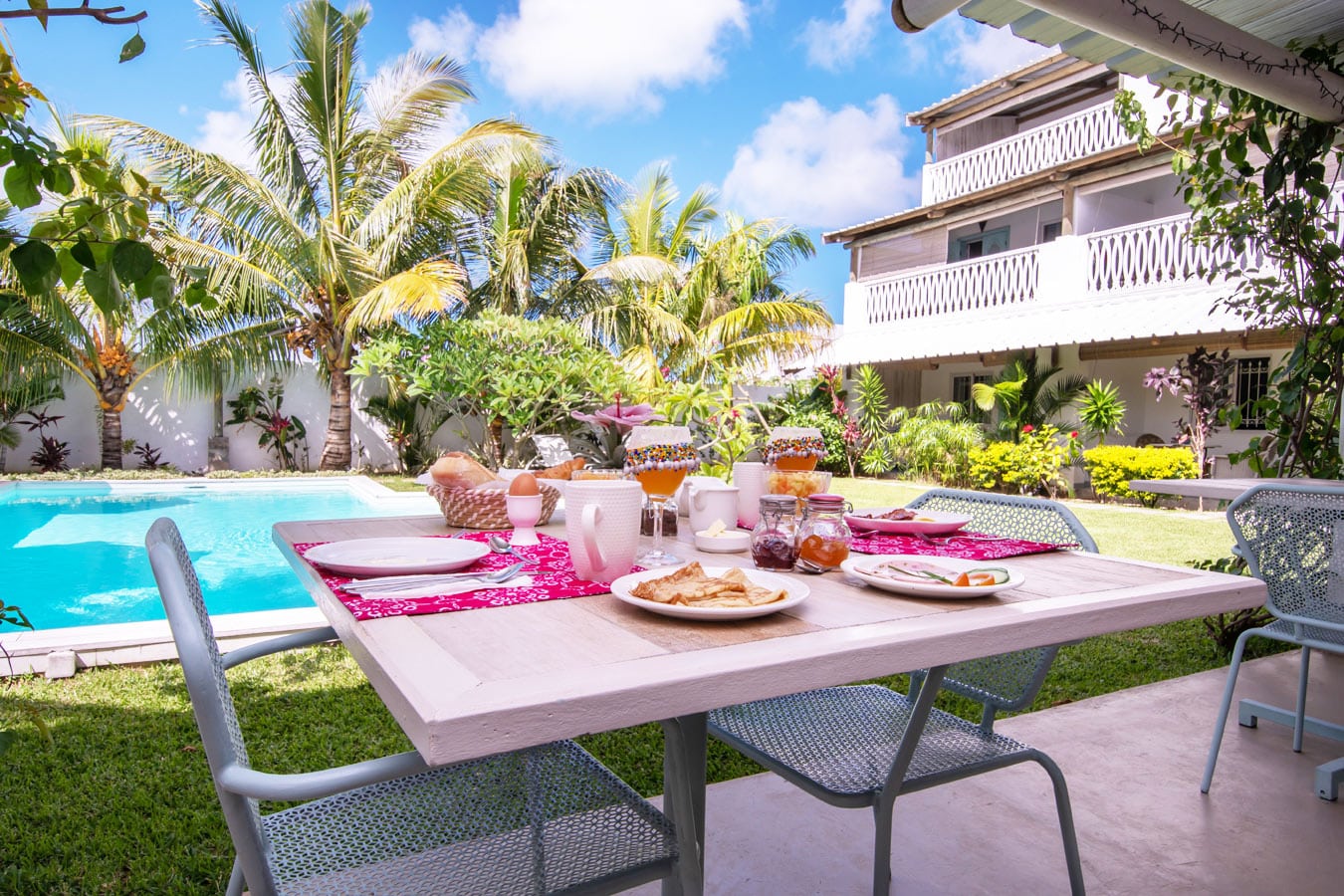
At Le Mandala Moris, in Grand Baie, we love these delicately prepared moments: a table set apart, a room ready to welcome the surprise, advice on the right hour, a fallback plan if the sky changes, a thoughtful touch placed exactly where it belongs. A marriage proposal does not need to be immense; it needs to be designed for you.
If you are still wondering how to propose, remember this: be certain of the impulse, choose a setting that respects your partner, prepare your words without freezing them, organise the details that protect the moment, then accept the emotion as it comes. And if you dream of a yes in the sun, in an intimate, carefully tended atmosphere, start by telling us your story: we will help you imagine the right moment.
Want to experience it for real?
Our team organises your event on site, in Grand Baie.