
Diving in Mauritius often begins with a simple image: clear water, a living reef, silence beneath the surface and fish passing through the light. But the island is far more than a postcard. Thanks to its lagoon, passes, drop-offs and wrecks, it offers both reassuring introductory dives and more challenging dives for certified divers.
Around Grand Baie, Flic-en-Flac, Trou aux Biches, and towards the east coast and south-east, the seabed offers very different atmospheres: coral gardens, fissures, caves, arches and wrecks colonised by marine life. Here are the best key points to help you choose your dive sites, understand the seasons and prepare your stay stress-free.
| Key points | What this means for you |
|---|---|
| The north is very convenient from Grand Baie | Easy access to several renowned sites, including Coin de Mire and wrecks |
| The west is appreciated for its underwater relief | Sites with drop-offs, fissures, caves and dense reef life |
| The south-east and east require more attention to conditions | Passes and currents often require good experience |
| Beginners can do an introductory dive | Mandatory supervision, gradual immersion and equipment provided by the centre |
| The reef is fragile | Observe without touching, feeding or taking anything |
Why choose Mauritius for scuba diving?
Mauritius is surrounded by the Indian Ocean and protected in places by a barrier reef that forms calm lagoons. Outside the lagoon, the underwater landscapes become more varied: passes, drop-offs, cavities, coral blocks and wrecks. This diversity makes the destination appealing for several levels of diving experience.
For a first immersion, dive centres favour sheltered sites, with a gradual descent and close supervision. For experienced divers, some spots offer more relief, current and depth. In all cases, the choice of site should be made with a local professional, according to the weather, sea conditions and your actual level.
Scuba diving in Mauritius is also appealing for its easy pace. An outing can fit easily into a holiday day: morning departure, return for lunch, then a free afternoon between the beach, a walk or peaceful rest.
The most beautiful dive sites in Mauritius, region by region

There is not just one face to diving in Mauritius. The north, west, east and south-west do not offer the same underwater landscapes. To choose well, you need to consider your departure point, your experience and the type of atmosphere you are looking for: easy reef, wreck, drop-off, wildlife, current or photography.
Northern spots: Grand Baie, Coin de Mire, wrecks and reefs
The north of Mauritius is one of the most popular areas for divers staying in Grand Baie. There are many outings, access is convenient and the sites are varied. It is an excellent region for alternating diving, sailing towards the northern islets and moments of relaxation.
Coin de Mire, an islet located north of the island, is often mentioned for its open waters, underwater relief and marine life. Depending on the conditions, you may see reef fish, moving schools, and sometimes turtles or rays. Dolphins may be spotted in certain offshore areas, but their presence should never be considered guaranteed.
The north is also known for several wrecks. Once colonised by corals and fish, these structures become true underwater refuges. Divers may encounter lionfish, trevally, barracudas, moray eels or reef fish. Access to wrecks depends on the required level and the conditions of the day.
From Grand Baie, sea excursion enthusiasts can also discover the landscapes of the Northern Islands thanks to Head to the Northern Islands of Mauritius by catamaran!, a lovely way to complete a day devoted to the ocean.
La Cathédrale and the northern reliefs
Some centres also mention sites named La Cathédrale in the north, not to be confused with the famous Cathédrale of Flic-en-Flac. The name generally refers to rock formations, vaults or plays of light underwater. Before booking, always ask the dive centre to specify the exact site, its level of difficulty and the planned depth.
Trou aux Biches: a pleasant option for beginner divers
The Trou aux Biches area is appreciated for its generally welcoming waters and reefs accessible depending on conditions. It is mainly sought after for gentle, colourful diving, with tropical fish, corals and a reassuring environment for regaining confidence or making your first supervised immersions.
The west: Flic-en-Flac, Rempart Serpent and La Cathédrale
The west coast, around Flic-en-Flac, is one of Mauritius’s major diving areas. The seabed is renowned for its relief, fissures and drop-offs. It is an interesting region for divers who want to discover a more striking underwater architecture.
La Cathédrale of Flic-en-Flac is one of the island’s best-known sites. Its appeal lies in its cavities, rocky openings and light effects, which can sometimes give the impression of entering an underwater nave. You may encounter moray eels, lionfish, reef fish and, depending on the outing, other passing species. It is a site to approach with a serious centre, as conditions and the required level can vary.
Rempart Serpent is another name divers often remember on the west coast. The site is associated with an elongated relief, frequented by abundant reef life. Sightings change from one dive to another: schools of fish, butterflyfish, surgeonfish, moray eels, scorpionfish or nudibranchs for attentive eyes.
Stella Maru: the experience of a wreck
Stella Maru is a well-known wreck in Mauritius. It was sunk to encourage the creation of an artificial reef and today serves as a habitat for many species. Wrecks often attract barracudas, trevally, lionfish and other curious fish that find shelter in the structure.
A wreck dive requires following instructions: do not enter a structure without appropriate training, maintain good buoyancy and follow the guide. The point is not to force exploration, but to observe how the sea reclaims the metal.
The east and south-east: passes, current and sensations
The east coast and south-east appeal to divers who enjoy more exposed sites, passes and oceanic atmospheres. The Belle Mare Pass is often mentioned for its currents and marine life. It is better suited to experienced divers who are able to remain calm, manage their buoyancy and follow the guide’s instructions precisely.
In these areas, conditions can change quickly. Current, swell and visibility strongly influence the choice of site. It is therefore best to remain flexible: a good dive centre will adapt the outing to the group’s level and sea conditions, rather than promising a spot at all costs.
The south-west and Le Morne
Le Morne Brabant, in the south-west, is known above all for its spectacular silhouette and heritage significance. On the sea side, the region offers powerful landscapes, with reefs, relief and sometimes more exposed conditions. Dives here depend greatly on the weather and the chosen supervision.
For travellers who like to alternate sea and land, the south-west makes it possible to combine diving, beaches, viewpoints and the discovery of another side of Mauritius, wilder in places than the touristy north.
| Region | Sites or atmospheres | For which profile? |
|---|---|---|
| North | Coin de Mire, wrecks, reefs near Grand Baie | Supervised beginners to experienced divers depending on the sites |
| Trou aux Biches | Reefs, tropical fish, often gentler waters | Introductory dive, refresher, relaxed diving |
| West | Flic-en-Flac, Cathédrale, Rempart Serpent, drop-offs | Comfortable divers, lovers of underwater relief |
| East and south-east | Passes, current, oceanic atmosphere | Experienced divers, depending on conditions |
| South-west | Le Morne, reefs and more exposed seascapes | Divers accompanied by centres that know the area well |
What can you see underwater? Wildlife, corals and possible encounters
The Mauritian seabed is alive, colourful and sometimes very changeable from one site to another. Corals form shelters, fish move between coral bommies, moray eels can be glimpsed in crevices, and lionfish glide slowly near the rocks.
Among the possible encounters during a dive in Mauritius are:
- Reef fish: butterflyfish, angelfish, surgeonfish, clownfish, damselfish and triggerfish enliven the shallow reefs.
- Moray eels: often hidden in holes, they should be observed from a distance, without sudden movements.
- Sea turtles: they may be encountered in certain areas, but should never be chased or touched.
- Rays: some outings offer the chance to spot them, resting on the sand or gliding above the seabed.
- Lionfish and scorpionfish: very beautiful, but to be observed with caution, without getting unnecessarily close.
- Schools of trevally or barracudas: more common on certain open sites or around wrecks.
Sightings are never guaranteed. That is also what makes a dive beautiful: you descend with an intention, then the sea decides. One day, the light on a drop-off is enough. Another, a turtle passes slowly by and transforms the whole outing.
Starting diving in Mauritius: introductory dive, level and certification
Have you never dived before? Mauritius can be a beautiful place to begin, provided you choose a recognised centre, listen carefully to the briefing and stay in a suitable area. An introductory dive is not a performance: it is a first breath underwater, guided step by step.
How does an introductory dive work?
The process varies depending on the centres, but the spirit remains the same: explanation of the equipment, safety instructions, gradual entry into the water, learning the essential signals and immersion accompanied by a professional. The instructor stays close, checks your comfort and adapts the outing to your ease.
Before booking, ask a few simple questions: is the site protected? Is the group small? Is the equipment included? Does the trip depend on weather conditions? These answers are worth more than a promise made too quickly.
Do you need certification to dive?
For an introductory dive, you do not need to be certified. For deeper dives, wrecks, passes or sites exposed to currents, a recognized certification may be required. Dive centers generally work to international standards and check your level before taking you to a more technical site.
If you want to progress during your stay, you can also find out about The best diving schools for beginners in Mauritius. The important thing is to choose serious training, at your own pace, rather than a program that is too intense for your holiday.
What you need to know before booking
- Your health matters: if in doubt, seek medical advice before diving.
- The weather decides: a responsible center may postpone, adapt or cancel a trip.
- Buoyancy is learned: don’t worry if the first few minutes require concentration.
- The equipment must be comfortable: a well-fitting mask, suitable fins, and a wetsuit depending on how warm or cool the water feels.
- Safety comes before the site: a simple, relaxed dive is better than an overly ambitious outing.
What is the best season for diving in Mauritius?

Mauritius enjoys a tropical climate, with seasons reversed compared with Europe. You can dive for much of the year, but conditions are not the same depending on the month, the coast and the winds.
The warm period, generally from November to April, offers warmer water and a very summery atmosphere. It is also a season when tropical showers may be more frequent, with a cyclone risk in the Indian Ocean. Dive centers follow weather bulletins and adapt their outings accordingly.
The cooler, drier period, from around May to October, can offer beautiful dives, but some coasts are more exposed to the wind. The north and west are often sought after for more sheltered conditions, depending on the day.
To choose the right period, don’t rely on the calendar alone. Ask a local dive center for advice a few days before your outing, then confirm the day before. Visibility, swell and current are concrete factors, more important than a general rule.
Snorkeling or scuba diving: which experience should you choose?
Snorkeling, with mask, snorkel and fins, lets you enjoy the lagoon from the surface. It is simpler, more accessible and requires less preparation. It is a lovely option for observing fish near the reef, sharing an activity as a couple or with family, or enjoying a first glimpse of the underwater world without a tank.
Scuba diving takes you into another dimension. You descend below the surface, hear your own breathing, and observe the seascape at coral level. Wrecks, drop-offs and certain more discreet species become more accessible, always within the limits of your level.
If you are unsure, start with snorkeling in a suitable lagoon, then book an introductory dive if your desire to go further is confirmed. The two experiences complement each other very well during a stay in Mauritius.
Respecting the reef: the right habits underwater
The beauty of Mauritius’s seabeds depends on a fragile balance. A misplaced fin, a hand placed on coral, or an animal chased for a photo can damage what you came to admire. The rule is simple: underwater, you look, breathe and stabilize yourself, but you do not touch.
- Do not walk on corals, even in shallow water.
- Do not touch turtles, rays or fish.
- Do not feed marine wildlife.
- Keep your fins away from the seabed.
- Avoid collecting shells, corals or sand.
- Follow the guide and respect protected areas where they exist.
A good diver is not the one who gets closest, but the one who knows how to remain discreet. This attitude changes everything: the animals stay calm, the reef is preserved and the experience becomes even more beautiful.
Preparing your diving stay from Grand Baie
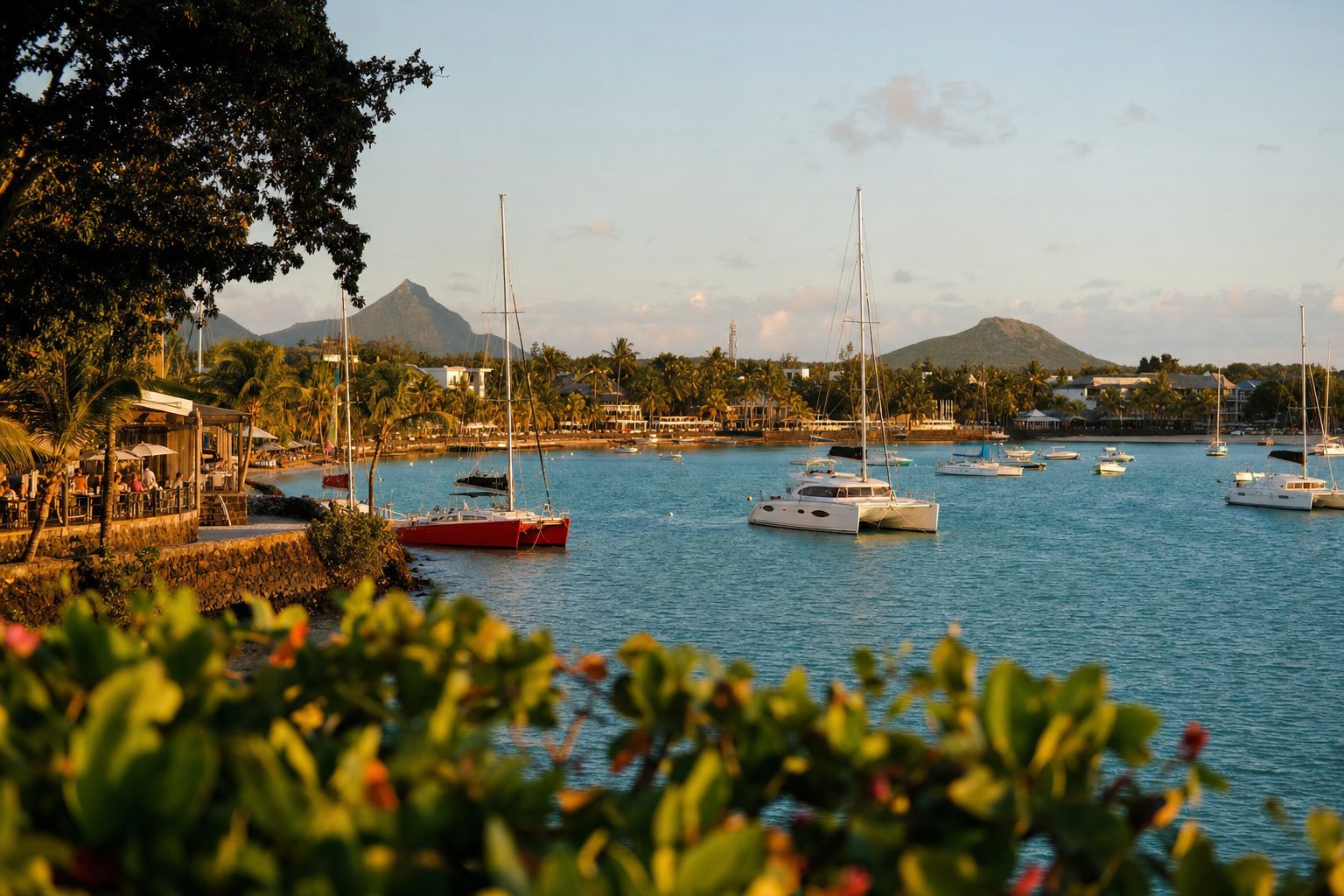
Grand Baie is a practical starting point for combining diving, boat trips, restaurants, beaches and moments of rest. From this northern region, you can easily organize trips to nearby sites while enjoying a truly gentle pace of stay.
Before you arrive, remember to check a few details with the dive center:
- your level and the date of your last dive;
- the sites being considered depending on the weather;
- the equipment provided or to bring;
- the cancellation conditions in the event of unfavorable sea conditions;
- the recommended time between your last dive and a flight.
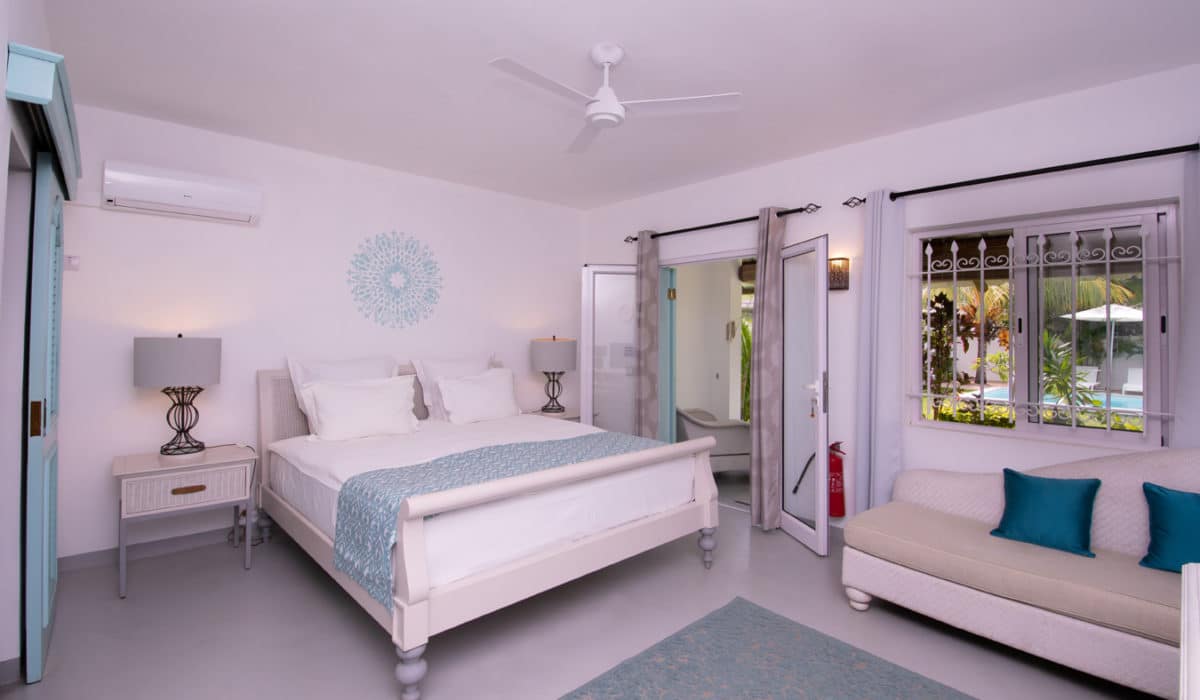
If you are looking for an intimate place to set down your bags between two outings, Le Mandala Moris welcomes you in Grand Baie in a calm and warm atmosphere. It is the kind of address you appreciate after a morning at sea: a refreshing shower, a quiet moment, then an evening that gently unfolds.
Are you coming to Mauritius for a proposal, a honeymoon, a birthday or a small celebration? The team can also help you imagine a tailor-made moment, with the same attention to detail. To bring your project to life, discover our private experiences in Mauritius.
Practical tips for diving with peace of mind
- Book without fixing everything: keep some flexibility, as the sea may require a change of plans.
- Stay hydrated: the tropical climate, sun and salt can tire you out faster than you think.
- Protect yourself from the sun: between dives, exposure on the boat can be intense.
- Avoid diving when tired: a good night’s sleep changes the quality of your immersion.
- Be honest about your level: this allows the center to choose the right site and the right supervision.
- Check the guidelines before flying: ask the center about the recommended waiting time after diving, according to your profile and your dives.
Prices, availability and programs vary according to centers, seasons and conditions. For reliable information, contact the dive operators or the relevant official organizations directly before confirming your outing.
Conclusion: one island, several ways to dive
Diving in Mauritius can be gentle, contemplative, technical or simply an introduction. The north appeals for its easy access, the west for its underwater landscapes, and the east and southeast for their more exposed atmospheres. Choose the right center, respect your level, let the weather guide the program and take the time to look. Underwater, Mauritius reveals itself slowly, in peace and quiet.
Frequently asked questions
Can you do an introductory dive in Mauritius with no experience?
Yes. Beginners can do an introductory dive with a dive center supervised by professionals. The instructor explains the equipment and safety instructions, and accompanies the dive on a site suited to the day’s conditions.
Which area should you choose for diving from Grand Baie?
The north is very practical from Grand Baie. From there, you can reach several reefs, wrecks and sites around Coin de Mire, depending on the weather and the divers’ level.
What is the best time for diving in Mauritius?
You can dive for much of the year in Mauritius. The warm period offers pleasant water, while the cooler season can also provide beautiful conditions, especially on sheltered coasts. The most reliable option is to confirm with a local center according to the weather, swell and visibility.
What do you most often see in the Mauritian seabed?
Depending on the sites, you may observe reef fish, moray eels, lionfish, turtles, rays, trevallies, barracudas and corals. Encounters naturally vary from one outing to another.
Should you choose snorkeling or scuba diving?
Snorkeling is ideal for discovering the lagoon from the surface, with little preparation. Scuba diving allows you to explore the underwater landscapes, wrecks and reef life in greater depth, with supervision adapted to each person’s level.