
North of Mauritius, Île aux Serpents intrigues visitors even before it comes into view. Its name evokes a wild, almost unsettling land. In reality, this isolated islet is above all one of the most sensitive natural sanctuaries in the Mauritian archipelago. You do not come here to lay down your towel or hike freely: you observe it from a distance, from the sea, with the respect owed to places that shelter rare life.
For travelers staying in Grand Baie, Île aux Serpents is part of a wider setting: the northern islets, with Coin de Mire, Flat Island, Gabriel Islet and Round Island. Together, they make up one of Mauritius’s most memorable sea excursions, with volcanic silhouettes, seabirds, deep waters and reefs bathed in light.
| Key points to remember |
|---|
| Île aux Serpents is located north of Mauritius, within the group of protected northern islets. |
| Its name is misleading: the history of old maps is said to have mixed up the names of Île aux Serpents and Round Island. |
| Landing is not a typical tourist activity: these islets are sensitive nature reserves, mainly accessible to scientists and authorized teams. |
| The best way to admire it remains a sea excursion, often around Coin de Mire and the northern islets, while respecting distances and skippers’ instructions. |
| The preservation of these sanctuaries depends on simple actions: do not land without authorization, take nothing, do not disturb the birds and leave no trace. |
Where is Île aux Serpents in Mauritius?
Île aux Serpents lies off the northern coast of Mauritius, in an area where the sea changes appearance depending on the weather: deep blue offshore, turquoise near the reefs, sometimes rougher around the exposed islets. It should not be confused with the easily accessible beaches of the Mauritian coastline. Here, we are talking about an isolated, protected islet—one to be contemplated rather than visited.
From Grand Baie, the eye is naturally drawn to Coin de Mire, that dark, elegant mass outlined on the horizon. Farther away, Flat Island, Gabriel Islet, Round Island and Île aux Serpents belong to the same northern imagination: a string of volcanic lands, swept by the winds and precious for their fauna and flora.
The paradox of the name: an island of snakes… that mainly tells the story of Round Island
The name Île aux Serpents is one of the best-known curiosities of the northern islets. Contrary to what one might imagine, it should not be seen as an invitation to look for reptiles under every rock. The often-repeated anecdote is that the names of Île aux Serpents and Round Island were swapped on old maps. This cartographic confusion is said to have long fueled the mystery.
Neighboring Round Island, famous among naturalists, is indeed associated with extremely rare endemic reptiles, including the Round Island boa. This snake, long threatened, has become one of the symbols of Mauritian conservation efforts. Île aux Serpents, for its part, keeps a dramatic name, but its main interest lies in its place within a group of protected islets and the wildlife they shelter.
A fragile natural sanctuary, not a beach excursion
The most common mistake is to imagine Île aux Serpents as a destination where you land to walk, picnic or explore at your own pace. In practice, these northern islets are highly sensitive natural areas. Landing is limited or prohibited depending on the areas, seasons and authorizations, in order to protect nesting birds, reptiles, native plants and ecological balances.
This protection does nothing to diminish the appeal of the place. On the contrary, it gives it its true value. Île aux Serpents is a reminder that Mauritius is not only lagoons and beaches. The island also has sanctuaries where nature reclaims its rights, far from noise, infrastructure and repeated visits.
Fauna and flora to observe with care
The northern islets play an important role in Mauritian biodiversity. They are associated in particular with seabirds, endemic reptiles, vegetation adapted to salty winds and volcanic soils, as well as waters frequented by varied marine life. The exact species visible depend on the location, season, weather and conservation programs underway.
On the main island of Mauritius, other sites offer easier access to the country’s natural richness, such as nature has sculpted on this island very different landscapes, as well as forests and gardens where you can discover some of the native and endemic plants.
- Seabirds: around the islets, they are among the most visible presences from a boat, especially when conditions are calm.
- Endemic reptiles: Round Island, a neighbor of Île aux Serpents, is known for its extremely rare species, including the Round Island boa.
- Native flora: the plants on the islets must withstand wind, salt, a lack of fresh water and sometimes difficult soils.
- Marine environment: depending on authorized areas and conditions, sea excursions can also offer beautiful observations in the water, without approaching protected zones.
Planning your discovery of Île aux Serpents
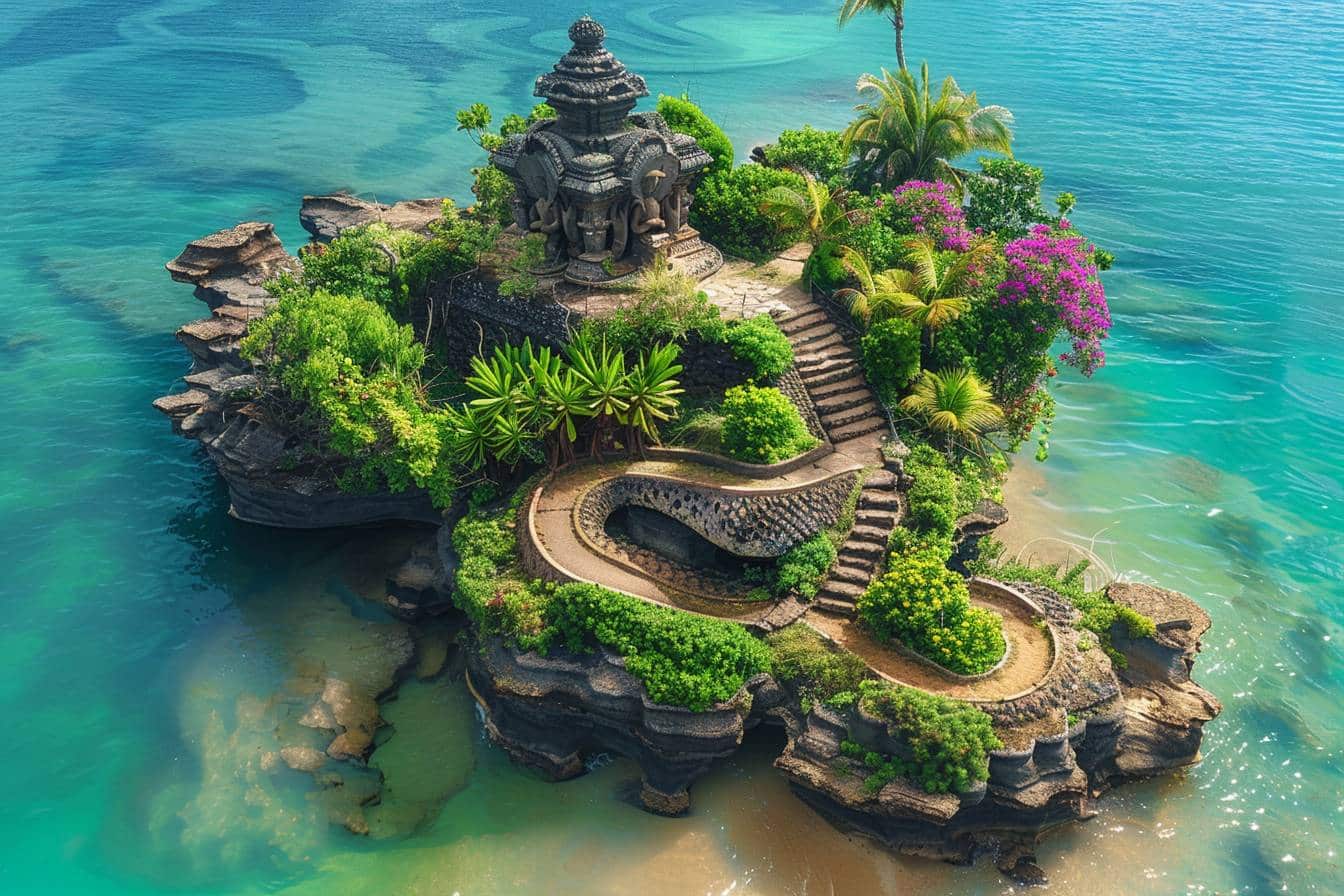
Discovering Île aux Serpents requires a change of perspective: it is not about preparing a visit on foot, but a responsible observation from the sea. The most practical departure point for many travelers remains the north of Mauritius, particularly Grand Baie and the surrounding area, from where several excursions to the islets depart.
Can you obtain a permit to land?
Landing on the nature reserves of the northern islets is not a tourist formality. Authorizations, when they exist, generally concern scientific, conservation or ecological monitoring missions. For any specific request, you should refer to the relevant Mauritian authorities and the organizations involved in biodiversity protection.
For a traveler, the right approach is therefore to choose a serious, guided sea excursion that respects protected areas and local instructions. A skipper familiar with the northern islets will know how to adapt the itinerary to the weather, currents and restrictions in force.
What is the best time to observe it?
Mauritius enjoys a tropical climate, with a warmer, more humid season during the austral summer, and a milder, drier season during the austral winter. Sea excursions depend above all on the wind, swell and conditions of the day. In the north, the sea can be very pleasant, but the offshore islets remain exposed: it is therefore wise to confirm the excursion shortly before departure.
If your aim is birdwatching or a naturalist approach, choose an operator who knows the distance rules and the right behavior to adopt. A calm, respectful trip is better than a promise to get too close.
How do you get there from northern Mauritius?
The most suitable way is a boat trip, often included in a cruise to Coin de Mire, Flat Island or Gabriel Islet depending on the proposed itineraries and sea conditions. Some excursions pass offshore from protected areas without landing there. This is precisely what makes it possible to admire the places without weakening them.
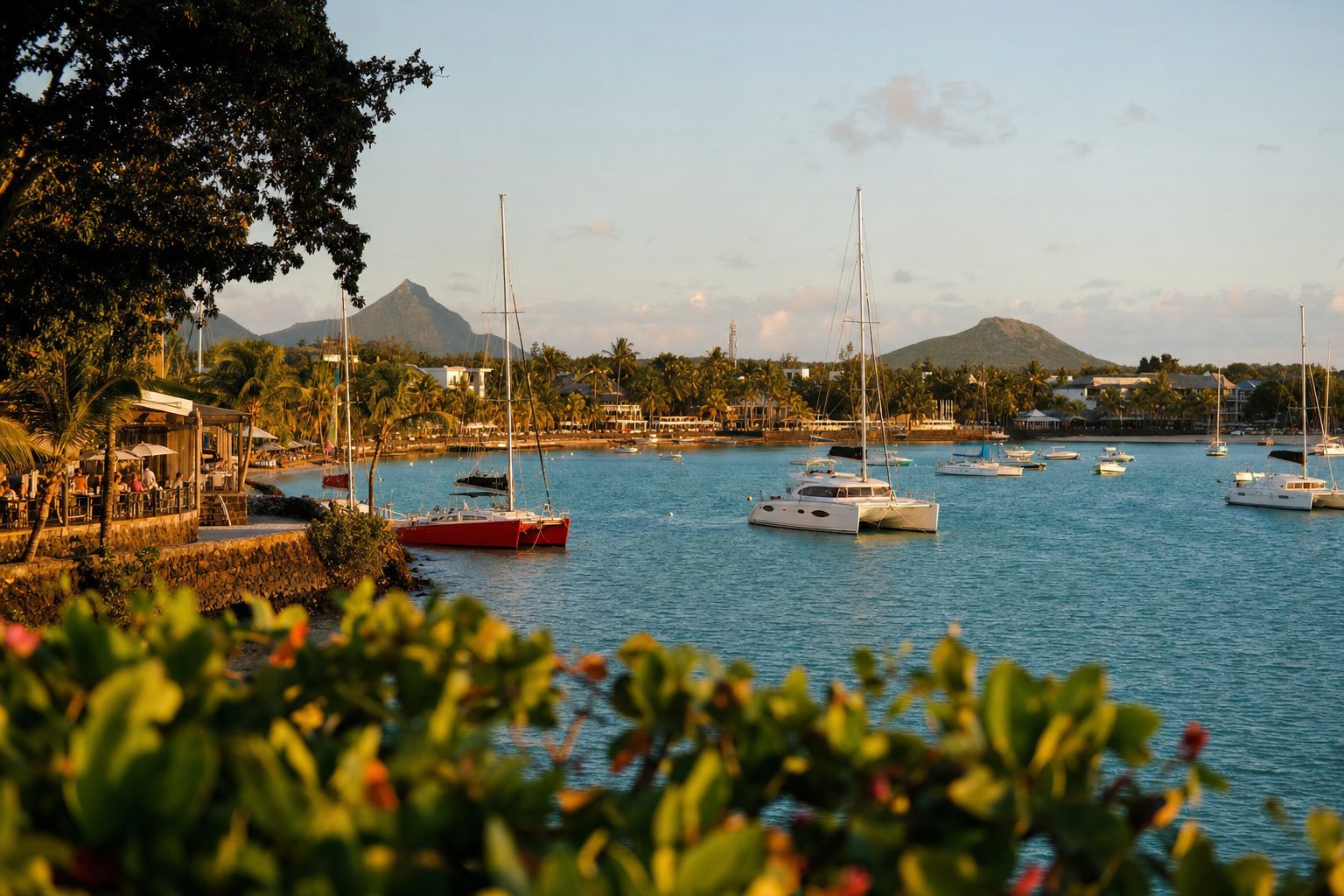
If you are staying in Grand Baie, you are well placed to organize this day out. The harbor, nautical operators and northern departure points are easily accessible from accommodation in the region. When choosing a catamaran trip, it is best to check the announced itinerary directly, the weather-related cancellation conditions, the group size and the policy on respecting nature reserves.
Practical information
| Question | Useful answer |
|---|---|
| Can you land on Île aux Serpents? | As a general rule, this is not a tourist activity. The protected islets require specific authorizations. |
| Where can you observe it from? | From the sea, during an excursion to the northern islets, particularly around Coin de Mire and neighboring areas depending on the itinerary. |
| Do you need a guide? | An experienced skipper or operator is strongly recommended to respect distances, protected areas and safety at sea. |
| What should you bring? | Sun protection, water, a hat, lightweight covering clothing, shoes suitable for the boat, binoculars if you enjoy birdwatching. |
| What attitude should you adopt? | Do not throw anything away, take nothing, do not feed the animals, do not insist on landing and follow the crew’s instructions. |
What to do around Île aux Serpents?
On Île aux Serpents itself, the main activity remains observation from a distance. But around the northern islets, the experience is rich: sailing, contemplating the cliffs, birdwatching, swimming or snorkeling in authorized areas, depending on sea conditions and the chosen itinerary.
- Observe the volcanic silhouettes: seen from the boat, the northern islands reveal another side of Mauritius, wilder and more mineral.
- Approach Coin de Mire from the sea: this emblematic northern islet is often at the heart of nautical excursions. Landing there is not unrestricted, but the panorama from the water is superb.
- Go snorkeling in suitable areas: some excursions include swimming stops when conditions allow. To learn more about the Mauritian underwater world, our article rich and varied gives an overview of the experiences possible.
- Photograph without disturbing: a telephoto lens or simple binoculars allow you to enjoy the spectacle without asking the boat to get too close.
- Listen to naturalist explanations: a good guide turns the outing into a reading of the landscape: volcanic origins, prevailing winds, birds, reserves, conservation efforts.
Remember that these activities must always be carried out with respect for the fragile environment of the islets. The beauty of the place comes precisely from this distance: you look, you understand, you remember, without leaving a trace.
The essential role of scientists and conservation
The northern islets of Mauritius are at the heart of long-term conservation work. Organizations such as the Mauritian Wildlife Foundation, alongside the authorities and scientific partners, help protect endemic species, restore habitats and monitor animal and plant populations.
The Round Island boa is a good example of this attention. Associated with Round Island, this rare reptile is a reminder of how vulnerable island ecosystems can be. On small islands, the introduction of animals, changes to vegetation or repeated disturbances can have major effects. This is why access rules are not optional: they are central to the site’s survival.
Good practices for visitors
- Choose a responsible operator: opt for a team that knows the reserves and does not encourage prohibited landings.
- Respect distances: birds and wild animals should not be approached too closely for a photo.
- Limit waste: everything that goes out to sea must come back to shore, even small packaging.
- Avoid feeding animals: this disrupts their natural behaviour.
- Check reliable sources: rules may change depending on conservation needs and local conditions.
The northern islets: an excursion in its own right
Seeing Serpent Island makes even more sense when placed within the landscape of the northern islets. Coin de Mire, with its recognisable profile, often marks the first visual landmark. Farther offshore, Flat Island and Gabriel Islet attract visitors for their clear waters and end-of-the-world feeling, when conditions allow you to go there. Round Island and Serpent Island, more strictly protected, remind us that some places are first and foremost refuges for living things.
This diversity makes the outing very complete: a morning or a day at sea can combine sailing, swimming, observation, lunch on board depending on the option chosen, and sweeping landscapes. All without turning every islet into a visitor site. It is another way to travel: more mindful, lighter, and more respectful.
Stay in Grand Baie to discover the northern islets
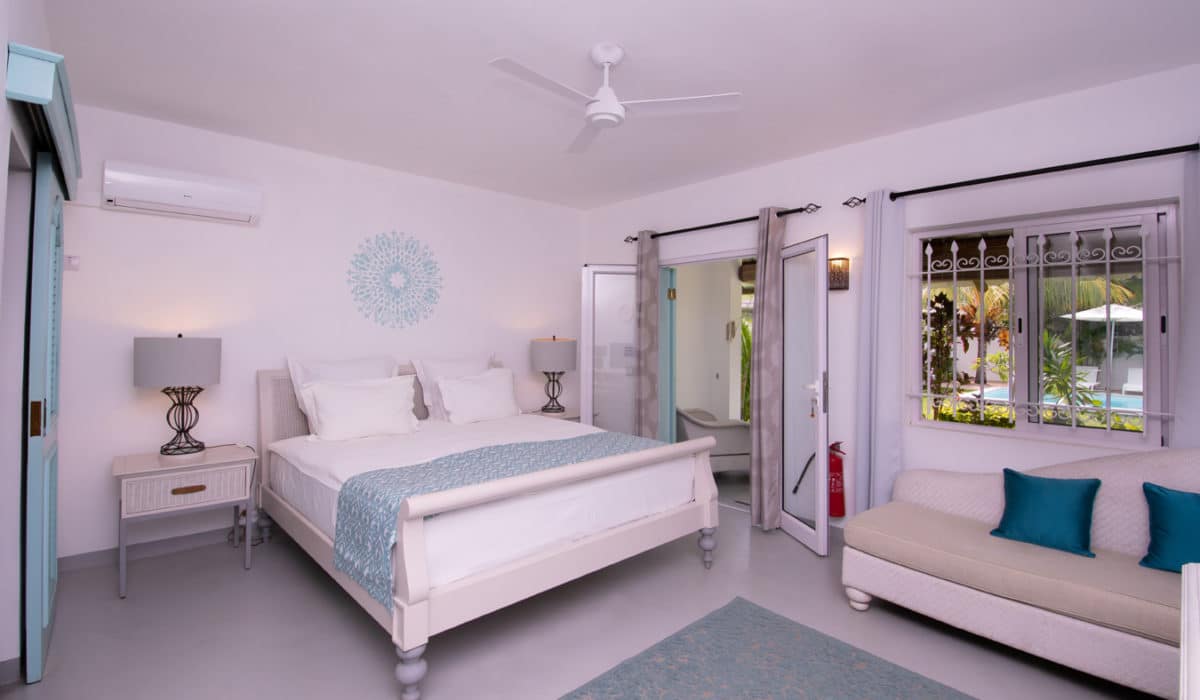
To explore the north of Mauritius, Grand Baie is a practical and pleasant base. You are close to sea departures, restaurants, northern beaches and nautical operators. After a day offshore, returning to a quiet place, a comfortable room and attentive hospitality makes all the difference.
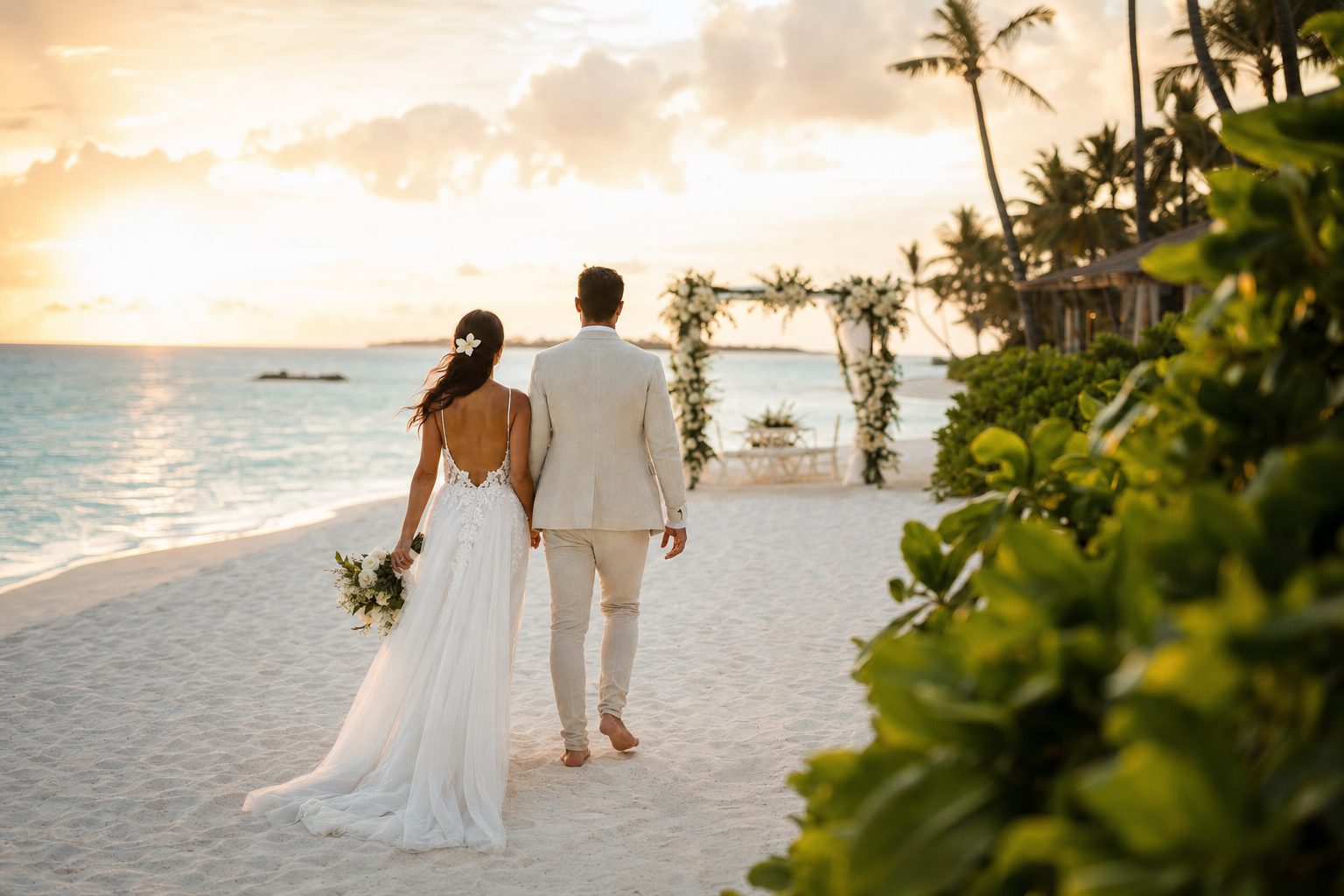
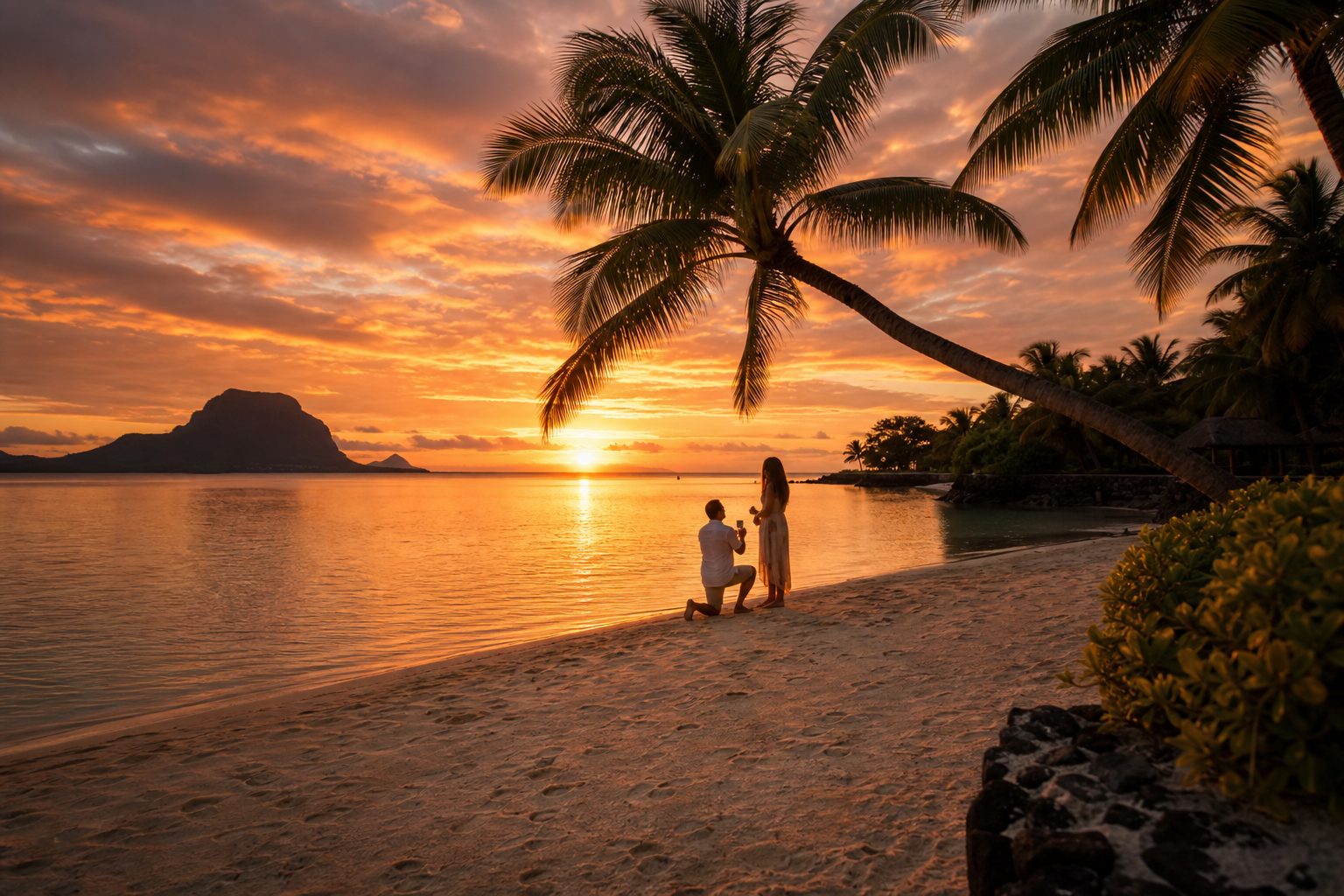
At Mandala Moris, we love helping our guests organise days that suit them: a catamaran trip, discovering the islets, moments of rest, a friendly dinner or a small private celebration. For an intimate wedding, a proposal, a honeymoon or a birthday, the north of Mauritius offers a powerful natural setting without needing to overdo it.
Our role is simple: to advise you with care, guide you towards reliable experiences and welcome you in a warm atmosphere, before and after your discoveries. Serpent Island is not visited like a beach, but it can become one of the most distinctive memories of your stay.
Conclusion
Serpent Island fascinates because it keeps its share of mystery. Protected, difficult to access, linked to the history of the northern islets and to Mauritian conservation efforts, it is mainly discovered from the sea. Choose a respectful outing, keep your distance, open your eyes: sometimes, the most beautiful journey is the one that knows not to touch everything.
Frequently asked questions
Can you visit Serpent Island in Mauritius?
Landing on Serpent Island is not a standard tourist activity. The islet is part of the sensitive natural areas in the north of Mauritius. It is generally observed from the sea, as part of a guided outing that respects protected areas.
Why is it called Serpent Island?
Its name is linked to a historical confusion often reported between Serpent Island and Round Island. Round Island is particularly known for its rare endemic reptiles, including the Round Island boa, which adds to the mystery surrounding these islets.
What is the best way to see Serpent Island?
The best option is a boat trip from the north of Mauritius, often around Coin de Mire and the neighbouring islets. The itinerary depends on the weather, sea conditions and the protection rules in force. It is best to choose an operator familiar with nature reserves.
Is Serpent Island dangerous?
The main danger is not related to the presence of snakes for visitors, since landing is not planned. Caution mainly concerns offshore navigation, sea conditions and respect for protected areas. Following the skipper’s instructions is essential.