
In Mauritius, snorkeling is often enjoyed just a few metres from the shore: a well-fitted mask, a snorkel, a calm sea, and the lagoon gradually reveals its tropical fish, seagrass beds, corals and plays of light. For a first outing, for a family with children, or simply to rediscover the pleasure of observing the seabed without scuba gear, the island offers some very beautiful spots, provided you choose the right place, the right time and follow a few essential rules.
This guide brings together the most interesting beaches and areas for snorkeling in Mauritius, with particular attention to easy access, lagoons suitable for children and the precautions to know before entering the water.
| Spot | Ease | What people come for |
|---|---|---|
| Trou aux Biches | Very accessible | Generally calm water, fish close to the shore, family outing |
| Blue Bay | Accessible, with caution | Marine park, corals, great lagoon biodiversity |
| Île aux Bénitiers | With an excursion | Boat trip, clear lagoon, full-day atmosphere |
| Pereybère | Easy | Convenient small bay, ideal for a short introduction |
| Pointe aux Piments | Variable depending on conditions | Interesting observation near the reef, to be practised with caution |
| Mont Choisy | Easy | Large beach, gentle swimming, simple family option |
Why Mauritius is a beautiful destination for observing the seabed
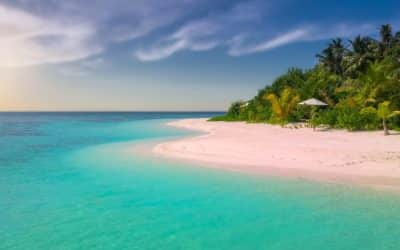
Mauritius is surrounded by a lagoon protected in many places by the coral reef. This setting creates swimming areas that are calmer than the open sea, with often clear water, shallow seabeds and marine life visible without heavy equipment. This is what makes snorkeling so accessible: you do not need to go deep to be amazed.
Depending on the areas and conditions, you may see butterflyfish, parrotfish, damselfish, surgeonfish, wrasse, sea urchins, starfish, seagrass beds and coral formations. Encounters with turtles or dolphins do occur around the island, but they should never be presented as guaranteed: these are wild animals and should only be approached from a distance and with respect.
The seabed of Mauritius is fragile. A fin kick against coral, a hand placed on a reef or bait thrown to attract fish can damage an ecosystem that takes a long time to recover. The beauty of the lagoon also depends on how each person visits it.
Trou aux Biches: the easy spot for beginners
Trou aux Biches is one of the best choices for a first family snorkeling experience. The beach is long, pleasant, bordered by a generally calm lagoon, and the water entry is gentle. For children, it is reassuring: they can get used to the mask, snorkel and fins without immediately feeling far from the shore.
Snorkeling at Trou aux Biches is especially enjoyable when the sea is flat and visibility is good. You can often spot small colourful fish in rocky or coral areas, as well as seagrass beds that shelter discreet but precious life. The ideal approach is not to swim too fast: by moving slowly, the details appear more clearly.
- Access: easy from the beach, with no need for a boat for an introduction.
- Ease: very good for beginners and children who are comfortable in the water.
- Watch out for: boat passage areas and the conditions of the day.
Blue Bay: the marine reserve to discover with respect
Blue Bay, in the south-east, is one of the best-known places in Mauritius for the richness of its lagoon. Its marine park attracts lovers of corals and tropical fish. The water can be remarkably clear when conditions are favourable, and the seabed offers a very lively spectacle.
This spot does, however, deserve a careful approach. Some areas are protected, it can be busy, and it is best to seek local information from the competent authorities or reputable operators before setting off. If you go by boat, choose a trip that emphasises respect for the marine park, with no feeding of fish and no contact with the coral.
- Access: from the beach or via a guided trip depending on the area targeted.
- Ease: accessible, but it is best to remain attentive to currents, boats and local instructions.
- What you see: corals, lagoon fish, colourful underwater reliefs.
Île aux Bénitiers: snorkeling and a day at sea
Île aux Bénitiers, off the west coast, is most often discovered on a boat trip. Snorkeling is then part of a broader day out: sailing in the lagoon, swimming stops, coastal landscape viewing and relaxing moments. It is a pleasant option for those who want to combine seabed discovery with an excursion.
The snorkeling areas vary according to the providers, the weather and the sea conditions. Here again, the quality of the experience depends greatly on the supervision: a good guide will choose a place suited to the group’s level, give clear instructions and avoid practices that disturb marine wildlife.
- Access: by boat, as part of an excursion.
- Ease: variable depending on the anchorage and the weather.
- What you see: lagoon fish, sandy seabeds, coral areas depending on the itinerary.
Pereybère: a convenient small bay for an introduction
Pereybère, in the north, is a popular beach thanks to its compact bay and easy access. It is well suited to a short session, especially with children or people who want to try snorkeling without organising a long outing. The atmosphere is lively, with shops nearby, which can be convenient for a half-day.
As the beach can be busy, it is better to choose quieter times and stay in areas suitable for swimming. Visibility depends on the conditions: after wind or rough seas, suspended sand can make observation less clear.
- Access: very easy from the beach.
- Ease: good for beginners, provided you choose a calm sea.
- What you see: small fish, rocks, areas of life near the edges.
Pointe aux Piments: for observing with caution
Pointe aux Piments, on the north-west coast, can offer beautiful observations when conditions are good. The area is interesting for those who want to look more closely at reef life, but it requires more attention than a very sheltered beach. The seabed can be uneven, and you should avoid entering the water if the sea is rough or visibility is poor.
For families, it is not necessarily the first choice with young children. However, with confident swimmers, well equipped and accompanied, the outing can be very enjoyable. Always stay well away from the corals, enter and exit via sandy areas when possible, and do not approach the reef if waves are breaking over it.
- Access: depending on the entry points, sometimes less straightforward than on a large beach.
- Ease: moderate, best reserved for calm conditions.
- What you see: reef fish, corals, underwater reliefs.
Mont Choisy: large beach, gentle swimming and a simple outing

Mont Choisy is a large beach in the north that is easy to love: pale sand, casuarina trees, space and pleasant swimming. For snorkeling, it is not always the most spectacular, but it has the advantage of being simple, accessible and reassuring for a family. It is a good choice for alternating swimming, beach games and short explorations in the water.
Observations are mainly made by taking your time in the areas where marine life is concentrated. For a richer outing, some will prefer Trou aux Biches or Blue Bay, but Mont Choisy remains a lovely option when you are looking for a comfortable beach that is easy to organise. You can also read our article on Mont Choisy beach.
Flic en Flac: a large west coast beach with a nearby reef
Flic en Flac is very popular with families for its long beach and west coast lagoon. The reef and marine life areas can offer beautiful observations, but you need to remain cautious: depending on the conditions, currents and more exposed areas can be surprising. Do not go far from the shore with children, and always seek local advice before moving away.
For a first session, choose a calm area, enter the water gradually and avoid swimming towards passes or places where the water seems to be moving faster. A lagoon that appears peaceful can change character depending on the wind, tide and swell.
Belle Mare: a beautiful lagoon, but a more distant reef
In the east of the island, Belle Mare charms visitors with its large lagoon, shades of blue and pale sand. The reef is often farther from the shore than at other spots, which makes snorkeling less immediate for young children. For families, it is better to stay in easy swimming areas and reserve more ambitious explorations for guided outings or experienced swimmers.
The east coast can be more exposed to the trade winds. When the wind blows strongly, the sea can become harder to read, visibility can decrease and swimming effort can increase. In that case, it is better to postpone the session or choose a more sheltered lagoon.
Snorkeling with children: safety, equipment and pace
Snorkeling can become a wonderful holiday memory for children, provided you do not rush the steps. The most important thing is not to go far or see many species, but to create a sense of confidence: breathing calmly through the snorkel, floating without stress, learning to look without touching.
- Choose a suitable mask: it must be the right size, comfortable and properly watertight. A mask that lets in water can discourage a child very quickly.
- Test the equipment before setting off: a few minutes at the water’s edge or in a pool help children understand breathing with a snorkel.
- Prefer shallow water: children should be able to return easily to an adult or to an area where they can stand.
- Use a buoyancy aid if necessary: a vest or suitable accessory, especially for younger children or less confident swimmers.
- Always stay within arm’s reach: even a good swimmer can get tired, swallow water or panic.
- Keep sessions short: several small, happy explorations are better than one long, tiring outing.
The Mauritian sun can be intense, especially when you spend a long time in the water. A UV-protective T-shirt, sun protection suited to the marine environment, drinking water and breaks in the shade are real allies. Also avoid walking on coral areas: besides the risk of injury, coral is alive and very fragile.
Respecting the lagoon: the simple gestures that make all the difference
Snorkeling means entering a living environment. The simplest rule is also the most important: look, don’t touch. Corals are not decorative rocks; they are fragile organisms. Fish do not need to be fed. Shells, starfish and other animals must remain in their environment.
- Do not touch the coral: not with your hands, not with your fins, and not by standing on it.
- Do not collect anything: occupied shells, pieces of coral, marine animals and sand from protected areas must stay where they are.
- Do not feed the fish: it changes their behavior and the balance of the lagoon.
- Choose reef-friendly sunscreen: opt for formulas labeled as reef-safe and apply them before entering the water.
- Keep your distance: from turtles, dolphins and all other marine wildlife.
- Take your waste with you: even small wrappers and cigarette butts have an impact.
To better understand the richness and fragility of Mauritius’ marine environment, you can read our article on marine biodiversity.
Best season and best times of day
In Mauritius, snorkeling is possible all year round, but the experience depends heavily on the weather, wind, swell and visibility. The warm season, from November to April, offers warmer water, with a more humid climate and sometimes periods of heavy rain. The cooler, drier season, from May to October, is often pleasant, but some coasts can be more exposed to the wind depending on the time of year.
To observe the seabed in good conditions, choose a calm sea, good light and clear visibility. Morning is often a good time: the beach is more peaceful, the water may be less disturbed, and children still have energy. After rain, wind or rough seas, the water is often less transparent.
Before any outing, observe the sea for a few minutes: waves on the reef, visible currents, boats, any flags, advice from locals or professionals. If in doubt, don’t push it. The lagoon will still be there tomorrow.
Snorkeling or diving: which experience should you choose?
Snorkeling is done on the surface, with a mask, snorkel and sometimes fins. It is very well suited to families, beginners and those who want to discover the lagoon without any specific training. You float, observe and move gently. It is simple, immediate and often enough to admire a beautiful part of the Mauritian underwater world.
Scuba diving allows you to go deeper, for longer, and discover other underwater landscapes. It requires professional supervision, specific equipment and stricter safety rules. If you are hesitating between the two, start with snorkeling in a calm lagoon, then consider a supervised introductory dive if your desire to go further is confirmed. To explore the subject in more detail, read our article on diving in Mauritius.
Preparing your snorkeling outing properly
A successful outing often comes down to a few simple details. Prepare your equipment before leaving, check the weather, choose a spot suited to the group’s level and set clear limits: how far you will swim, for how long, where to meet, and what to do if someone gets tired.
- Mask and snorkel: clean, adjusted and tested before entering the water.
- Fins: useful but not essential for an introduction very close to the shore; they must be comfortable.
- UV-protective T-shirt: practical for reducing sunscreen use and protecting the shoulders.
- Drinking water: essential, especially with children.
- Dry bag: useful for keeping your phone, keys and papers safe.
- Water shoes: sometimes comfortable, but they should never encourage you to walk on coral.
If you go on an excursion, choose an operator who explains the guidelines, respects protected areas and adapts the program to the actual conditions rather than following a fixed itinerary.
Staying in the north for easy exploring

From Grand Baie and the north of the island, several beaches suitable for snorkeling are easy to reach, including Trou aux Biches, Mont Choisy, Pereybère and Pointe aux Piments. It is a practical starting point for alternating boat trips, relaxed swims, restaurants, markets and moments of rest.
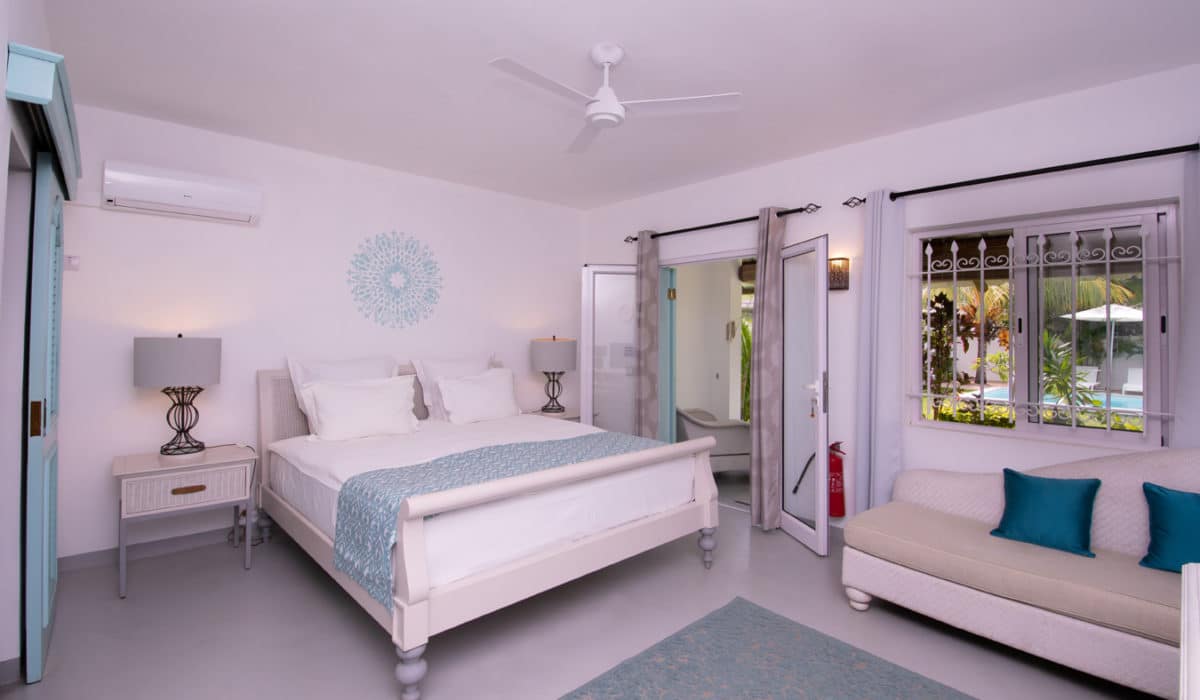
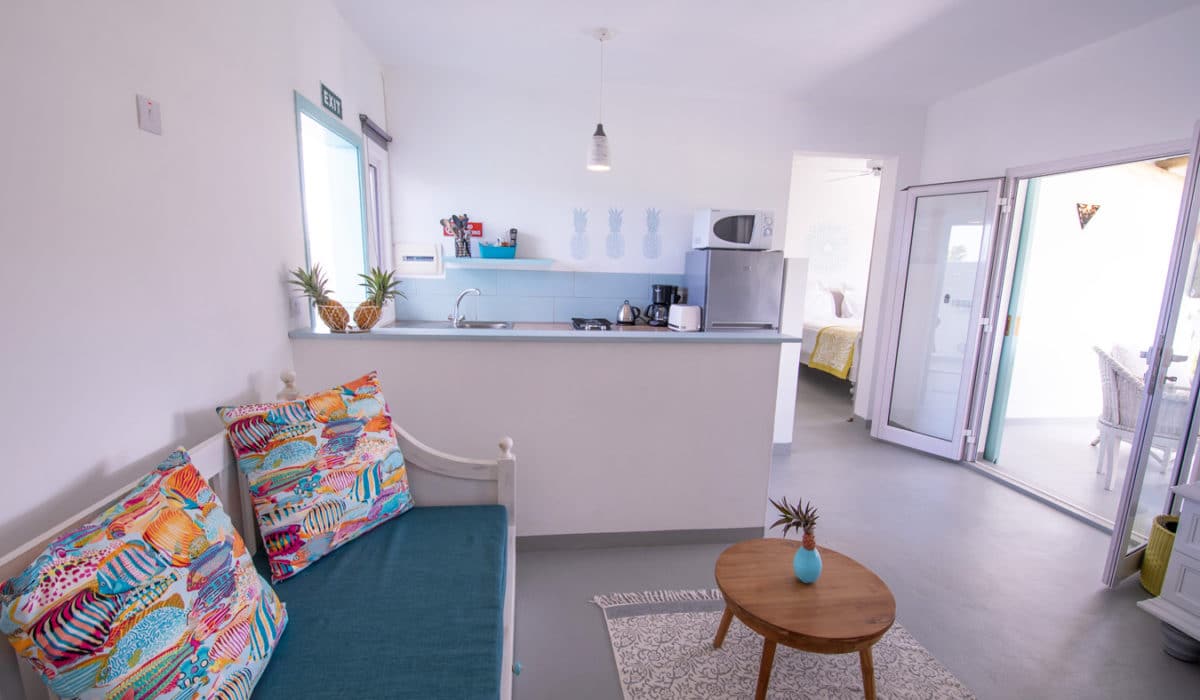
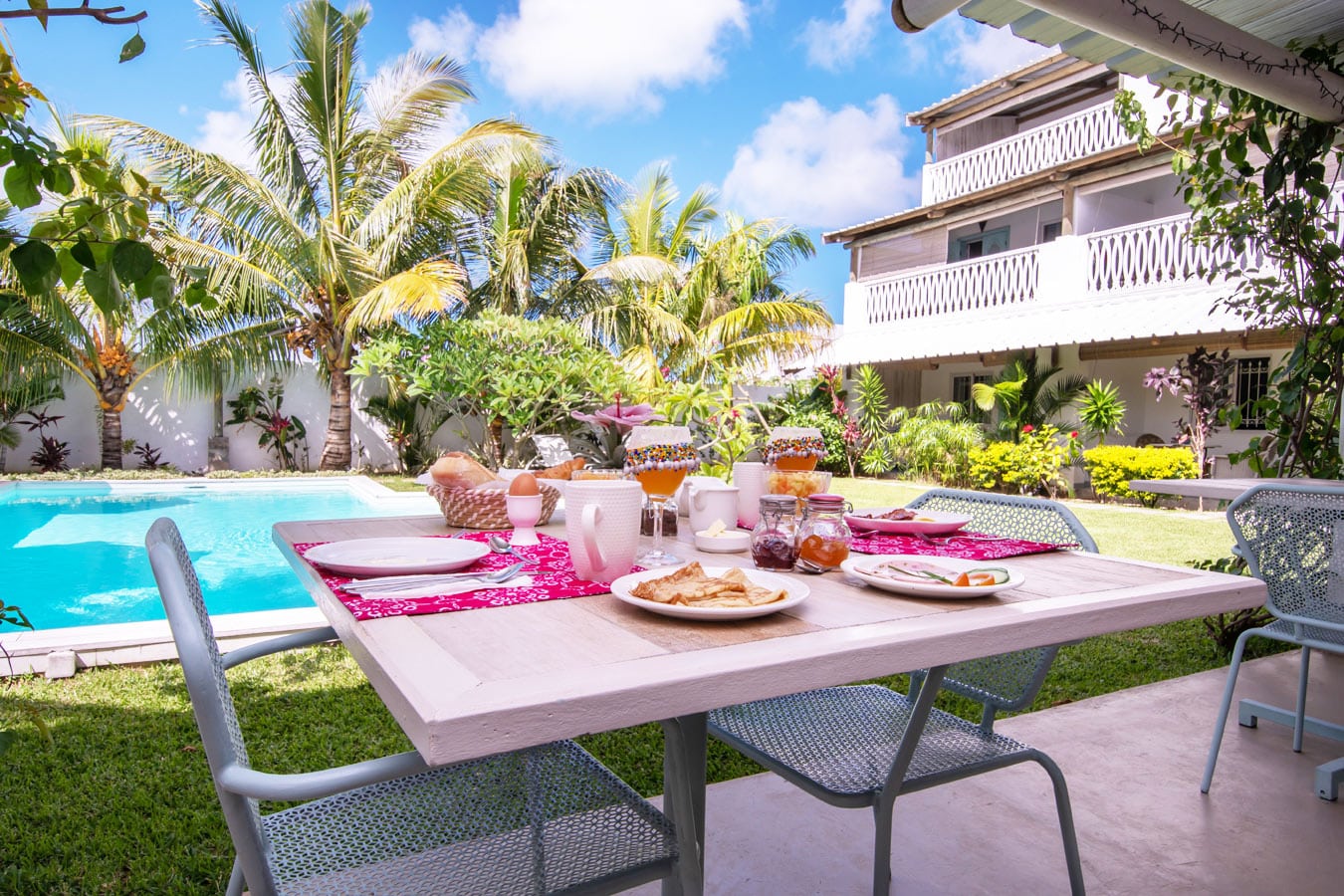
Le Mandala Moris welcomes travelers in an intimate and warm atmosphere, ideal for unwinding after a day in the lagoon. Our team can help you organize your stay with simple advice: which beach to choose depending on the weather, when to go with children, what precautions to take, or how to plan a gentler outing for the whole family.
And if you would like to enjoy snorkeling in a more exclusive setting, a catamaran trip with snorkeling can be a wonderful way to discover the lagoon differently, with the comfort of a well-prepared day and a suitable pace.
Conclusion
For easy snorkeling in Mauritius, start with Trou aux Biches, Pereybère or Mont Choisy. For more spectacular seabeds, look towards Blue Bay or a guided outing to Île aux Bénitiers. Choose a calm sea, equip children properly, never touch the coral, and let the lagoon offer you its greatest beauty: a simple, living and respectful discovery.
Frequently asked questions
What is the best snorkeling spot in Mauritius for beginners?
Trou aux Biches is one of the easiest choices for beginners, especially as a family. Access is directly from the beach, the lagoon is often calm and you can see fish without going far from the shore.
Can you go snorkeling with children in Mauritius?
Yes, provided you choose a sheltered beach, a calm sea and suitable equipment. Children should stay close to an adult, do short sessions and learn to observe without touching corals or marine animals.
When is the best time to see the seabed in Mauritius?
Snorkeling is possible all year round, but the best conditions depend mainly on the wind, swell and visibility. In the morning, when the sea is calm, the experience is often more enjoyable.
Should you choose Blue Bay or Trou aux Biches for snorkeling?
Trou aux Biches is easier for an introduction and a simple family outing. Blue Bay offers remarkable marine richness thanks to its marine park, but requires greater attention to local guidelines and protected areas.